

So you’ve been googling Are fine-line tattoos permanent or semi-permanent? You’re not alone. It’s one of the most common questions I get here at Face Figurati in Melbourne — especially from clients who want something soft and subtle but aren’t sure if it’ll stick around.
Spoiler: they are permanent… but with a few important asterisks. Let’s get into it.
Contents
- 1 Why do fine-line tattoos fade faster?
- 2 What makes ink last (or fade)?
- 3 Melbourne weather and lifestyle
- 4 How long do fine-line tattoos last?
- 5 Why are they not semi-permanent
- 6 What makes a tattoo age gracefully?
- 7 When your artist knows skin
- 8 Trends vs truth
- 9 Fine line vs cosmetic tattoo pigments
- 10 FAQ
Why do fine-line tattoos fade faster?
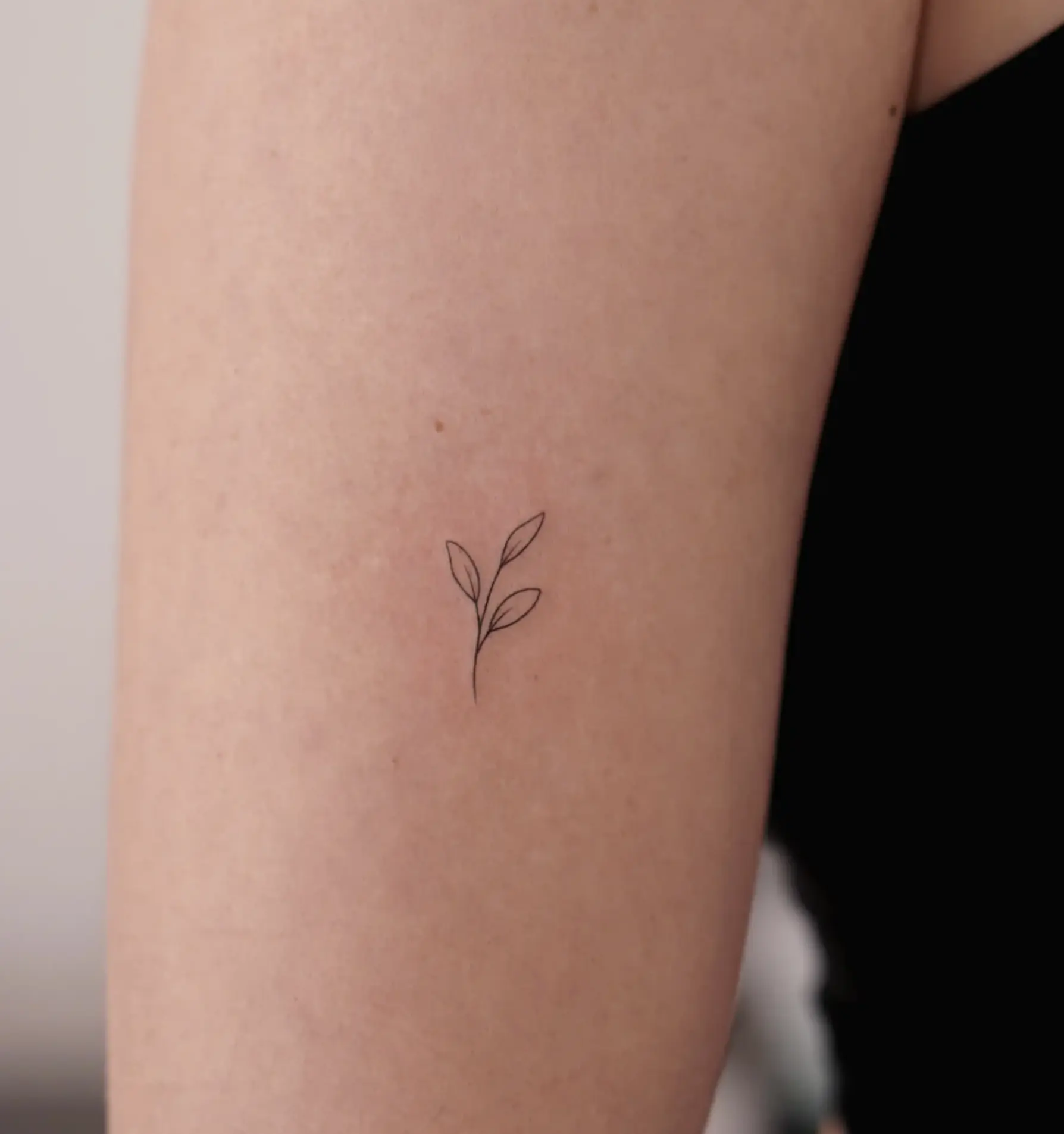
Fine-line tattoos are technically permanent. The pigment is deposited into the dermis (second layer of your skin) just like traditional tattoos. But the way it looks, heals and fades? That’s where things get interesting.
Because the lines are super thin and done with a single needle, there’s less ink sitting under the skin. That means:
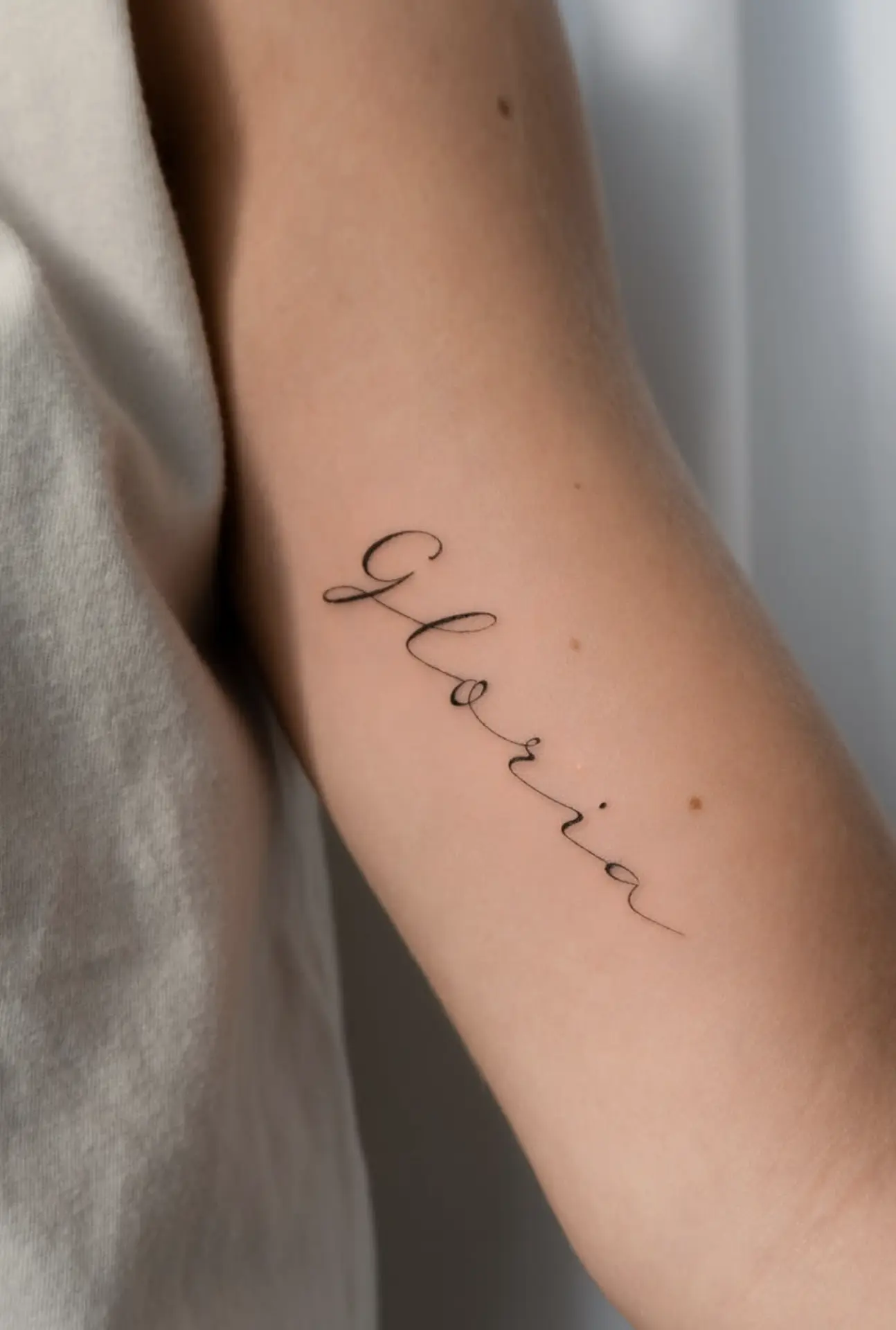
- The design will appear more delicate and lighter from the start
- It will fade faster than a bold, saturated tattoo
- Certain areas (like fingers or ribs) will break down faster from movement and friction
If you like the subtlety of a fine line tattoo, it helps to understand that its delicate nature is also why it behaves differently than other tattoo styles. That’s also why you’ll see it compared to semi-permanent tattoos online, but there’s a big difference in depth and pigment.
It’s not semi-permanent like microblading or henna. But fine-line work does soften over time, and that’s part of the charm.
What makes ink last (or fade)?
Just like permanent makeup, there are a few big factors that affect how long your tattoo stays crisp:
- Skin type: Oily skin will blur fine-line ink faster than dry or balanced skin.
- Body placement: High-friction areas like wrists, ankles and hands fade faster.
- Sun exposure: UV rays break down ink pigments over time. Sunscreen = your best friend.
- Ink saturation: Less ink = faster fading. It’s the trade-off for that light, airy look.
- Aftercare: Healing stages matter. Touching, picking or skipping balm? That’ll cost you.
We always send our clients home with detailed tattoo aftercare instructions to help extend the life of their ink. I like to think of fine line tattoos as similar to brow tattoos — both require a considered approach to pigment placement and healing. How your skin heals and how the ink behaves will also play a part.
Melbourne weather and lifestyle
Don’t forget: we’re in Melbourne. And that means skin behaves differently than it might in, say, Perth or Queensland.
We get all four seasons in a week, which can lead to:
- Dry skin in winter — delayed healing
- Sweaty, sun-drenched skin in summer — pigment loss
Your lifestyle plays a role too. If you’re a swimmer, outdoor worker or gym junkie, you’ll need to take extra care. Movement, moisture, and UV rays are all enemies of fresh fine-line work.
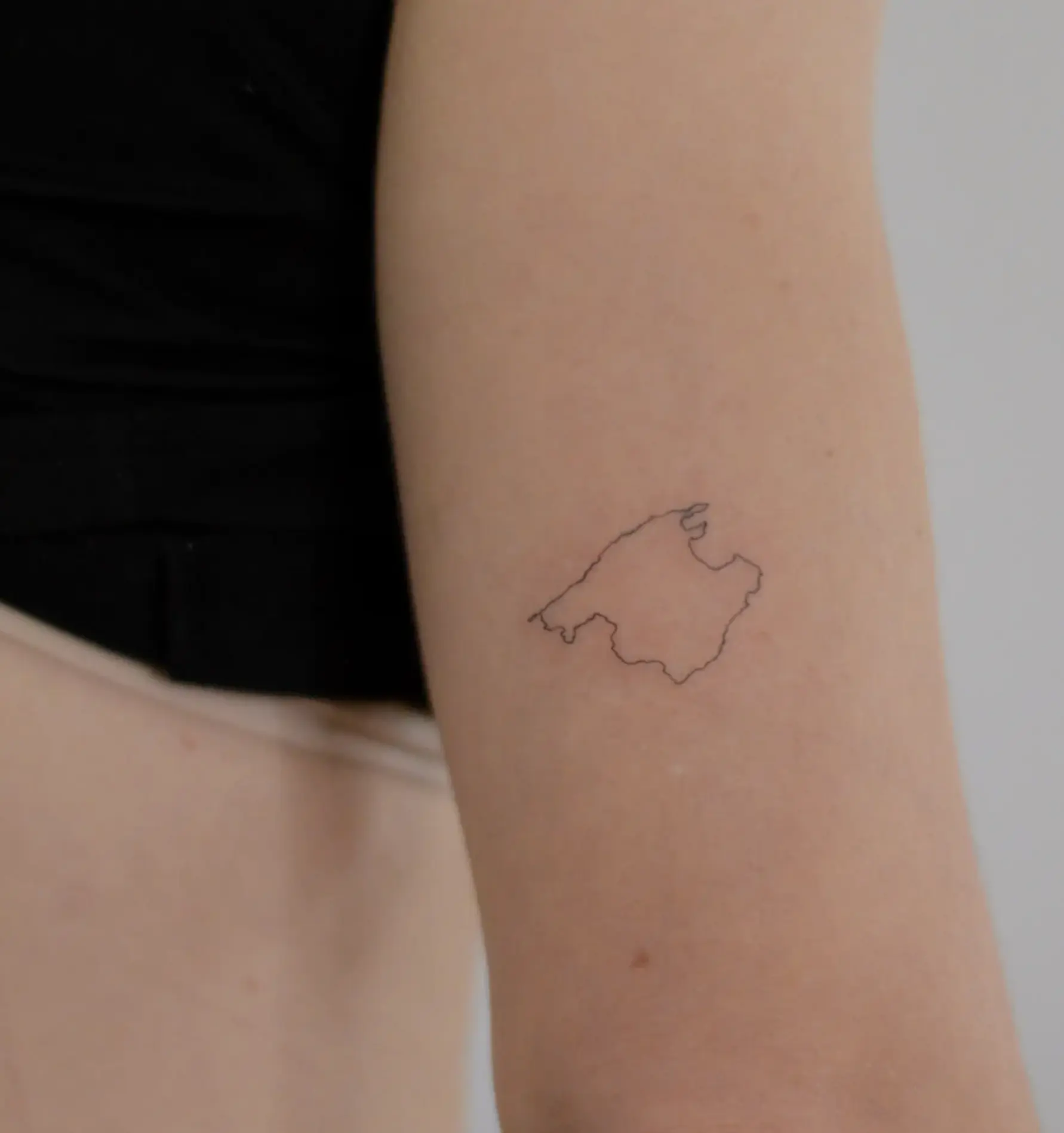
Lots of clients come to us after completing a fine line tattoo course and want to see how professional work compares to what they learned. And honestly? It all comes down to experience, skin knowledge and using professional-grade tattoo equipment designed for client safety and results.
How long do fine-line tattoos last?
On average, fine-line tattoos can last anywhere from 1 to 10+ years.
| Body Area | Typical Lifespan | Notes |
|---|---|---|
| Inner forearm | 5–7 years | Protected from the sun, low movement |
| Ribs/torso | 3–5 years | Lots of stretch, prone to fading |
| Fingers/hands | 1–3 years | High friction, fast fading |
| Ankles/feet | 2–4 years | Rubbing from socks/shoes |
| Upper arm | 6–8 years | Holds ink well, less wear |
Just like a cosmetic tattoo, touch-ups can extend the life. At Face Figurati Cosmetic Tattoo Studio in Melbourne, we recommend checking in around the 2-year mark for fine-line refreshers.
Why are they not semi-permanent
You may see TikTokers calling fine-line tattoos “semi-permanent” especially if their ink fades fast. But here’s the thing: there’s no such thing as a professionally applied, machine-done semi-permanent tattoo.
What they’re usually seeing is:
- Poor technique: Ink wasn’t placed deep enough into the dermis
- Low-quality pigments: Cheap inks fade to nothing or blur
- Improper healing: Skipping aftercare can lead to patchy results
We use professional-grade ink and high-end rotary machines. When applied properly by a trained cosmetic tattoo artist, fine-line tattoos settle into the skin just like traditional styles — they just look softer.
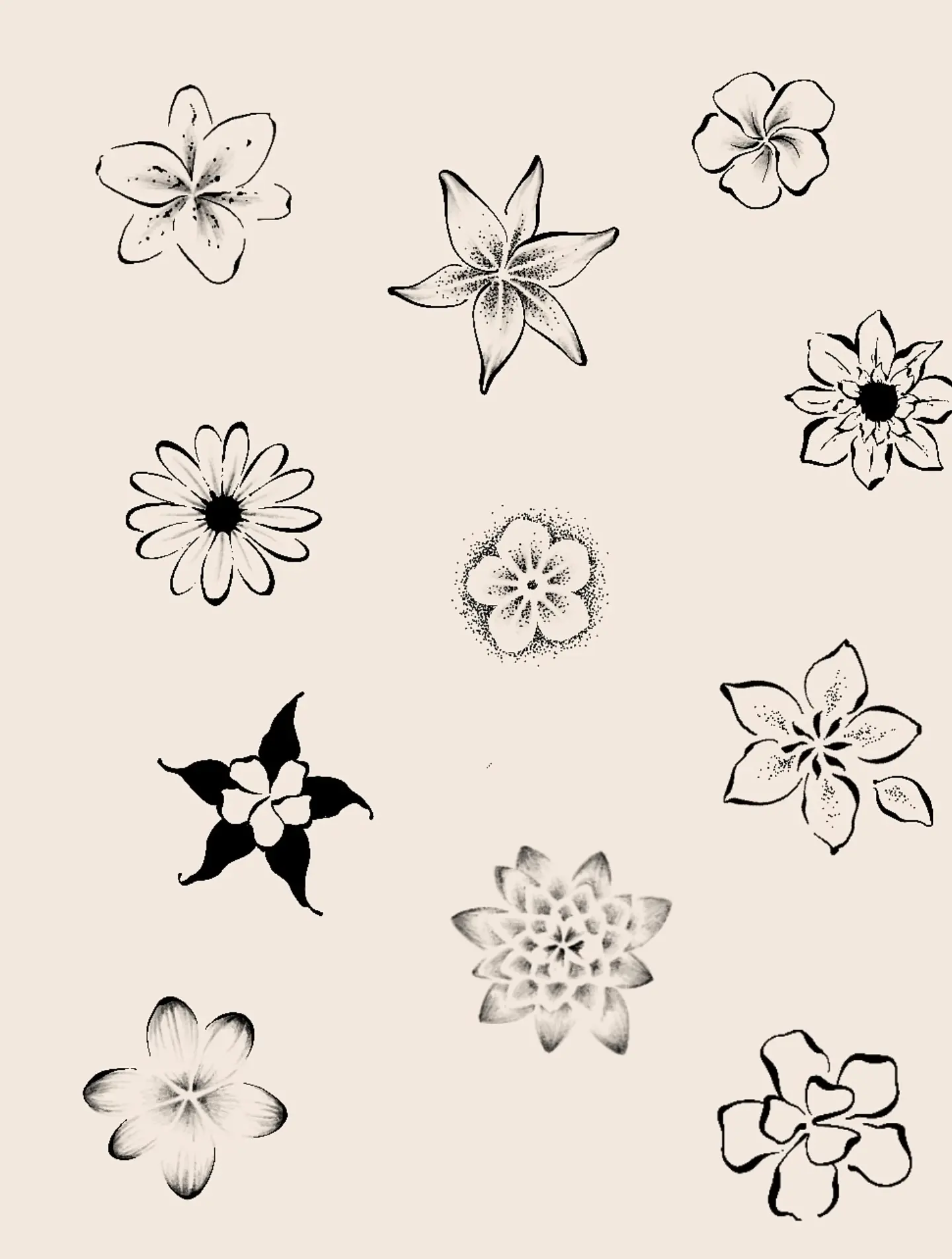
What makes a tattoo age gracefully?
Here’s how we keep those delicate lines looking crisp:
- Proper placement: We avoid high-fade areas unless requested.
- Single needle technique: For ultra-thin, clean line work.
- Layered ink approach: Where needed, we build lines gradually.
- Sun safety: We always recommend SPF post-healing.
- Touch-up policy: We offer honest advice on when (and if) you need a refresh.
You can also help by not using heavy exfoliants or laser treatments in the area and keeping your skin moisturised all year round. Using water-resistant creams and gentle, eco-friendly products can help maintain the line work.
When your artist knows skin
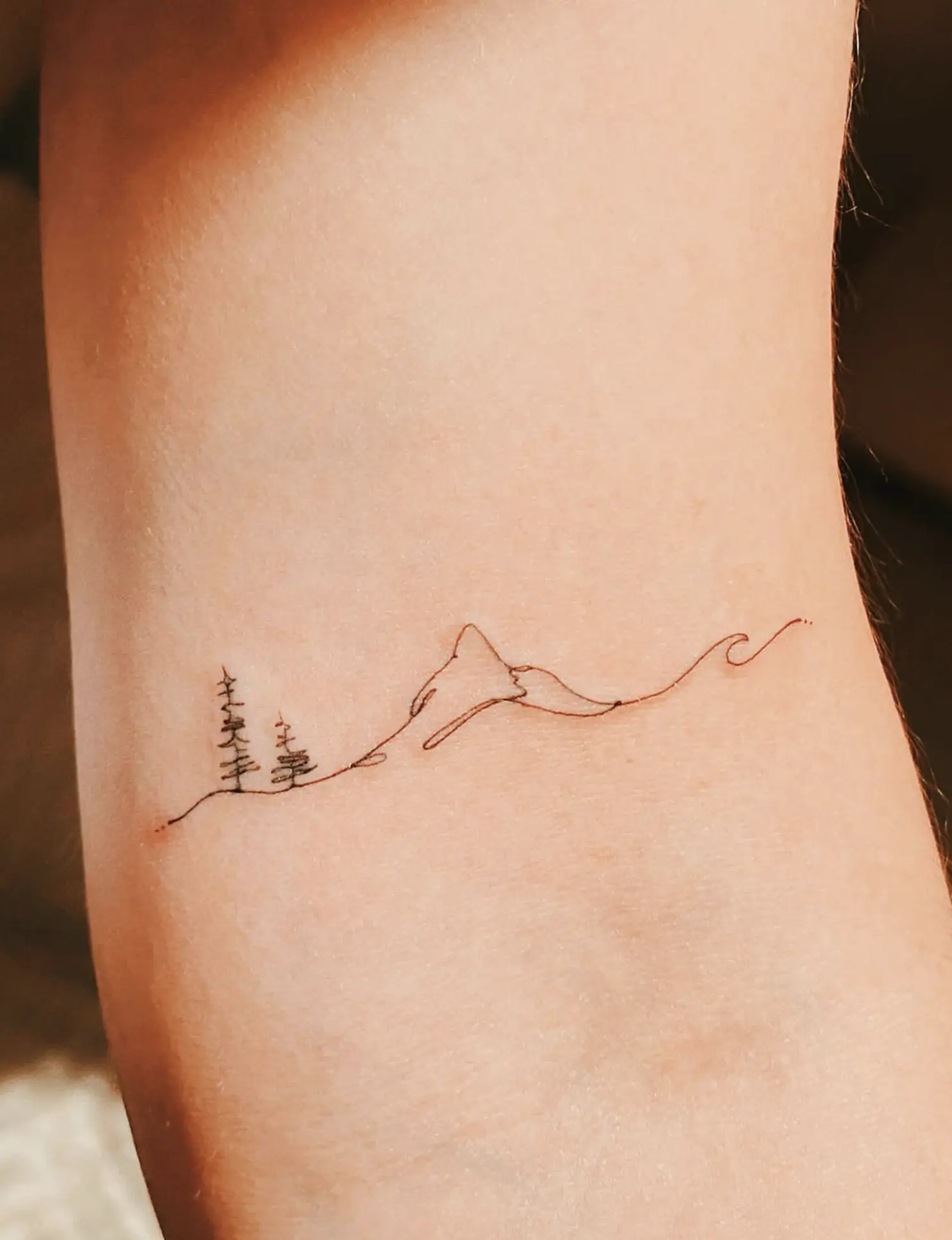
This is where experience counts. As a certified cosmetic tattoo artist in Melbourne since 2016, I’ve seen what works long term and what fades fast.
In our studio, we consider:
- Skin tone and undertones
- Age and collagen levels
- Past trauma or scarring
- Lifestyle factors (sun, sweat, stress)
Every good cosmetic tattoo artist knows the difference skin type makes. Even the best fine line tattoo course can’t prepare you for that without real-world practice.
This is the same approach we use in brow tattoos, lip blush and eyeliner. We’re not just creating a design – we’re choosing pigment and placement that will last.
We also consider things like skin allergies, current beauty trends and whether the client is after minimalistic designs or catalogue designs like semi-permanent body art, freckles/beauty marks or temporary tattoos. Customer care is more than application – it’s making sure we embody skin care before, during and after your appointment.
Trends vs truth
You’ve probably seen influencers flaunt their “semi-permanent ink” like it’s a thing. But the truth is, many of those tattoos were never deep enough to begin with. Or they used low-quality pigment that fades into nothing.
A properly done fine line tattoo won’t disappear overnight. It might soften. It might fade gradually. But it won’t just “go away” unless it was:
- Done by someone unqualified
- Placed too shallowly
- Exposed to major trauma or laser
So yes, they’re permanent. Just a little more polite about it.
Fine line vs cosmetic tattoo pigments
| Category | Fine-Line Tattoo | Cosmetic Tattoo (PMU) |
|---|---|---|
| Pigment Type | Tattoo ink (carbon-based) | Iron oxide / organic blends |
| Needle Depth | Dermis (1.5–2mm) | Shallower dermis (0.5–1mm) |
| Fades To | Softer version of the original | Can fade to peach/pink/grey |
| Retention Timeline | 2–10+ years | 1–5 years |
| Removal Difficulty | Harder to remove | Easier with laser/saline |
This is why brow tattoos or lip blush need more frequent refreshers than fine-line work — they’re meant to fade softer and faster.
FAQ
Can fine-line tattoos completely disappear over time?
Yes, in some cases, especially in high-friction areas or with poor aftercare. But usually there’s a little bit left unless removed professionally.
Is there a way to make them last longer?
Yep. Avoid sun exposure, follow aftercare and book a touch-up at the 1–2 year mark. Hydrated skin helps, too.
Do they hurt more than regular tattoos?
Most clients say they’re less painful since there’s less shading and trauma involved. But everyone’s pain threshold is different.
Can I get one over freckles or scars?
Yes, but we’ll assess the area first. Some skin needs extra prep or a softer approach.
What’s the best placement for a longer-lasting result?
Inner arms, upper back and outer thighs tend to hold fine lines well.