
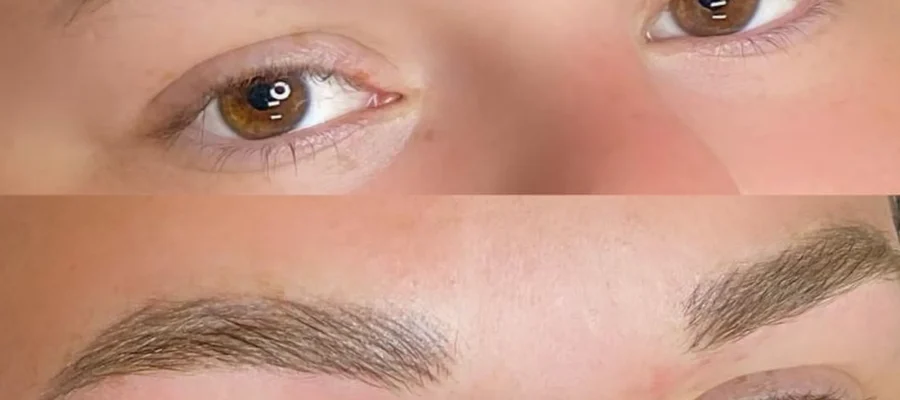
What if one brow heals differently from the other? I’m always getting asked this at Cosmetic Tattoo Studio Melbourne Face Figurati, especially by new clients whose healing process is just getting underway. As a permanent makeup artist with 8 years under my belt – since 2016 to be exact – I still get a kick out of those quiet moments when a client leans in and whispers, “Is my left eyebrow being super dramatic?” during their first re-touch appointment.
Uneven healing isn’t a sign that the treatment hasn’t worked – it’s just that your skin, lifestyle and the natural shape of your brow are all doing their own thing. And let’s be real – if you’ve ever tried to ‘microblade‘ your eyebrows at home with a brow pencil while rushing out the door, you already know every brow is a bit different.
Contents
- 1 Why Your Skin Reacts Differently On Each Side
- 2 What Uneven Healing Actually Looks Like
- 3 What Typically Happens Week By Week
- 4 Why Certain Areas Heal Softer, Faster, or Patchier
- 5 Practical Steps To Manage Uneven Results Calmly
- 6 When A Touch-Up Or Correction Is Actually Needed
- 7 Real Client Examples
- 8 Steps You Can Take To Support Balanced Healing
- 9 Final Thoughts (And A Soft Melbourne Pep Talk)
- 10 FAQ
Why Your Skin Reacts Differently On Each Side
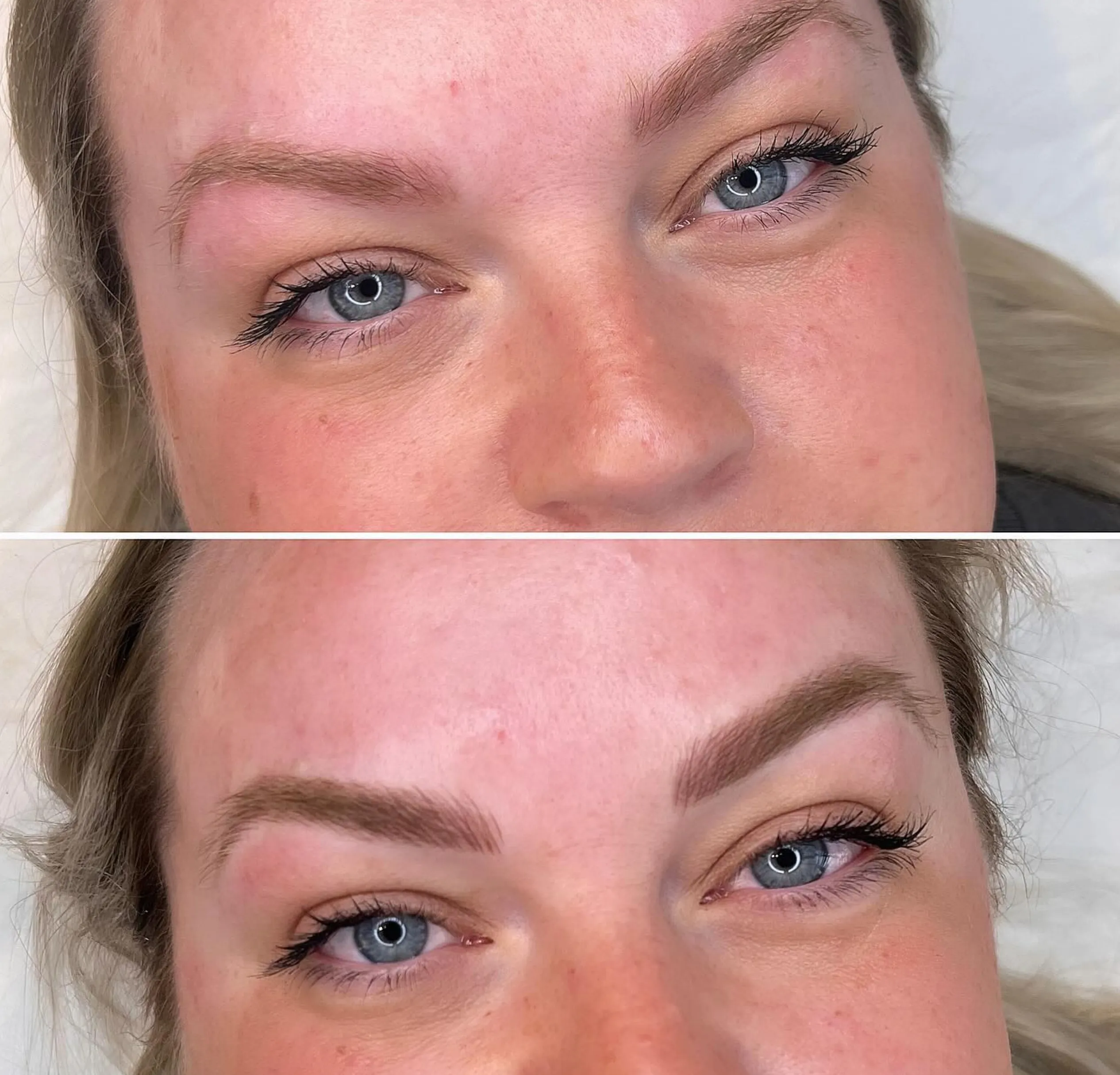
Even when I’m using the same technique, the same machine, and the same brow mapping, each brow still gives me a unique response. At Cosmetic Tattoo Studio Melbourne Face Figurati, I compare brows to siblings – related, but with some pretty big differences.
Here are the usual reasons why you get uneven pigment retention:
- Skin types vary right across your face.
- One side might be much oilier, which can cause the colour to fade.
- Melbourne’s weather can dry out one side of your face more than the other.
- You might sleep in a way that puts more pressure on one side.
- Skincare products seem to have different effects on either side of your face.
It’s not the machine, the pigment or the artist – it’s just biology. Even if you’ve had tattoo removal in the past, you might still find that the treated side heals differently due to changed skin texture.
What Uneven Healing Actually Looks Like
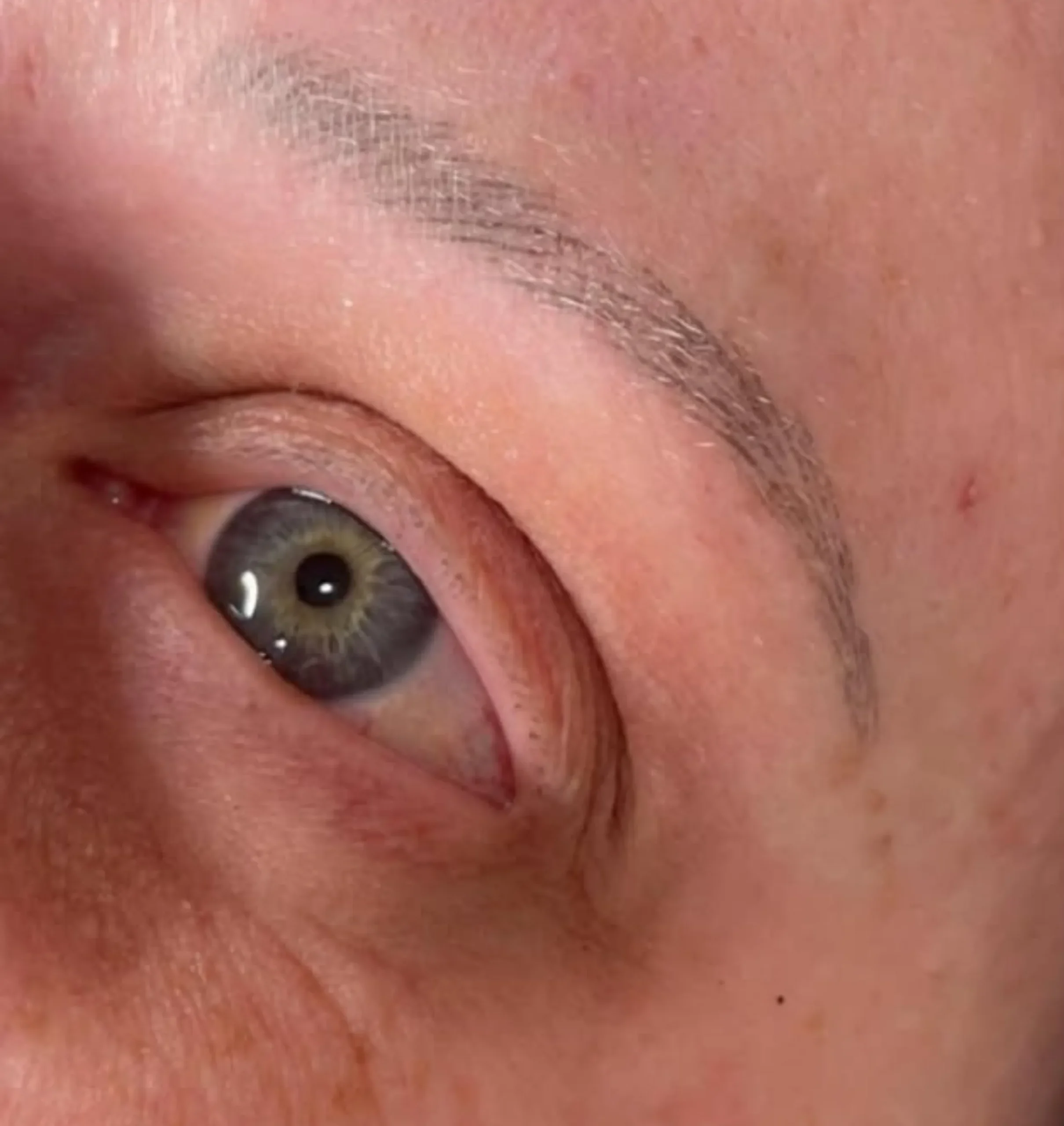
Here are some of the things clients tend to notice during their eyebrow journey after the treatment:
- One brow peels more than the other
- Hair-like strokes on one side seem to disappear temporarily
- If you’ve got oily skin, one brow might fade way faster than the other
- If you’ve got dry skin, one side might get really rough when it peels
- The colour can shift from day to day
If you used to rely on brow pencils or cosmetic eyebrow powders a lot, it can be a bit of a shock to see your microbladed hair strokes getting a lot lighter – especially if only one brow seems to be misbehaving. The thing is – it’s just temporary.
What Typically Happens Week By Week
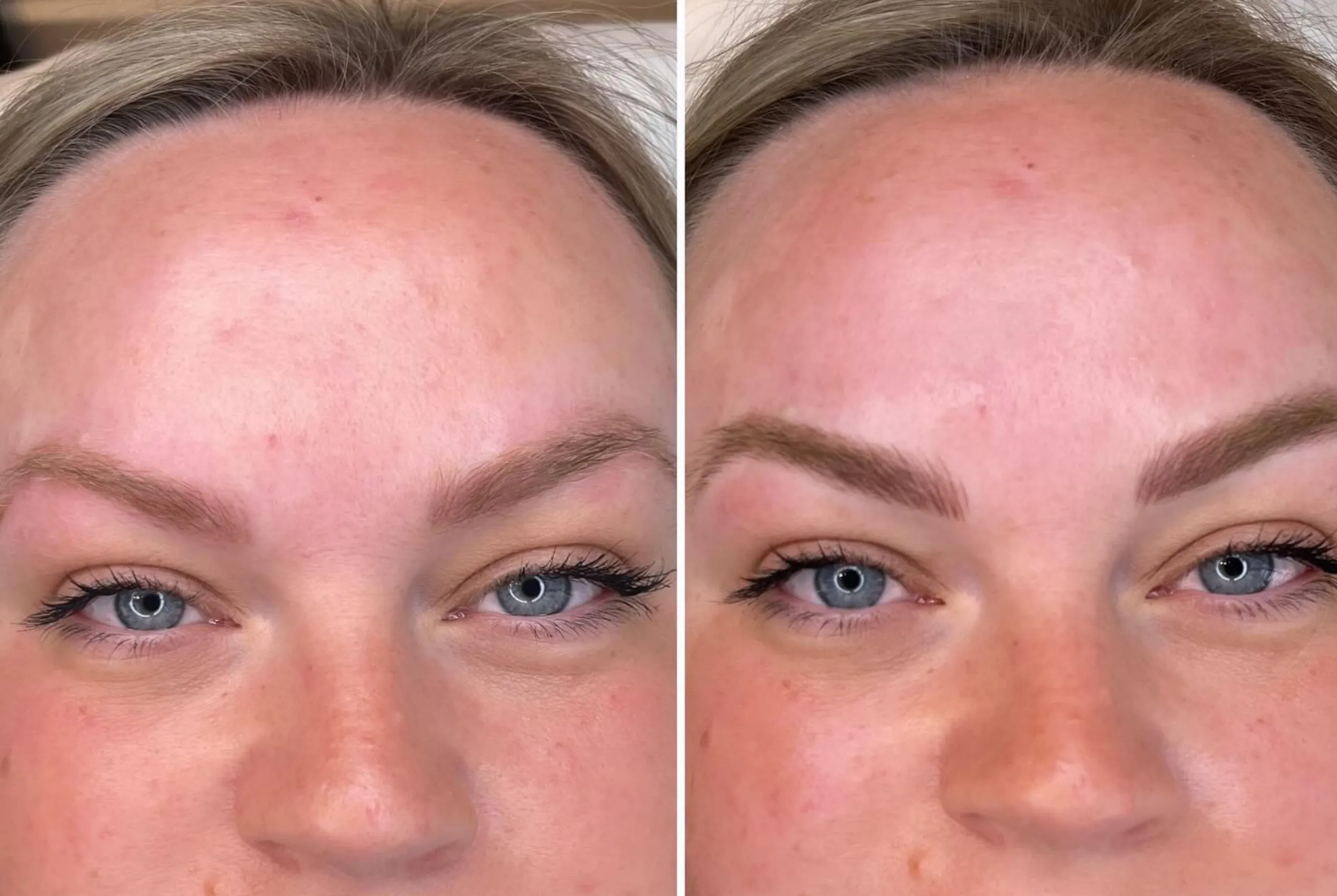
Below is the typical healing schedule after a microblading eyebrow or machine shading treatment. These patterns come from real client data gathered at Cosmetic Tattoo Studio Melbourne Face Figurati.
| Day | What You See | Why It Happens | Common Uneven Signs |
|---|---|---|---|
| 1–2 | Brows appear dark & intense | Swelling & fresh pigment | One brow looks higher/swollen |
| 3–5 | Flaking begins | Skin regenerates | Dry skin flakes heavily on one side |
| 6–9 | Brows look pale | New skin covers pigment | Oily skin shows patchiness |
| 10–14 | Pigment resurfaces | Upper layers settle | Uneven colour intensity |
This timeframe applies whether you choose manual strokes with a microblading hand tool or the digital machine technique used for permanent eyebrow makeup.
Why Certain Areas Heal Softer, Faster, or Patchier
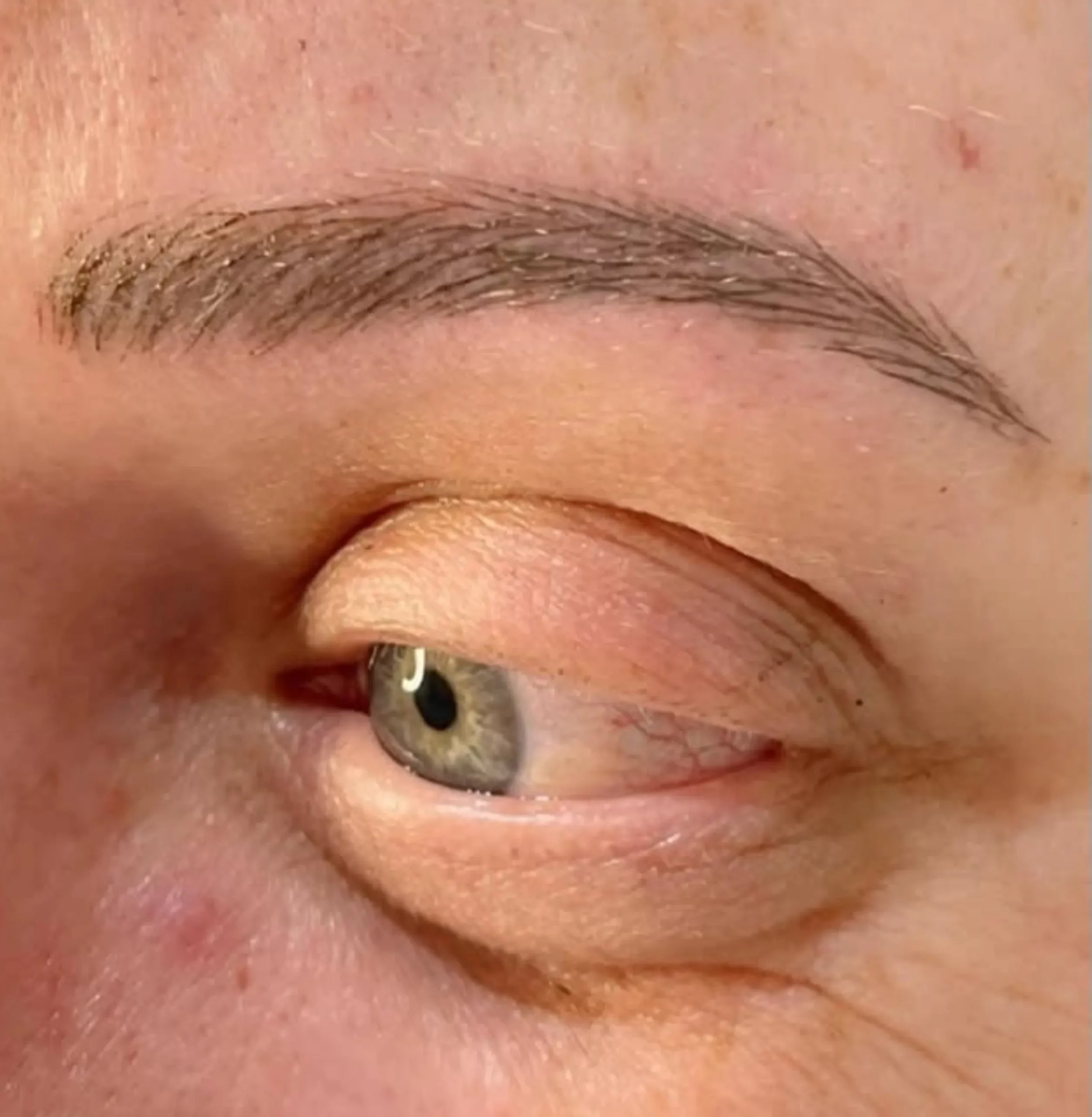
You’d think that how your skin looks would play a major role in how evenly your brows heal, but it’s actually a combination of a few factors. Your skin’s natural oil production, how well hydrated your skin is, and just the way your skin is shaped all play a big part in it.
1. Natural Skin Type Variations
You know how some people have combination skin? Yeah, that means that same person might have two completely different healing experiences on the same face. Dry skin might be perfect for holding pigment on one brow, but n’t going to give you a good idea of how they’ll while oily skin is like a sponge for the other.
2. Sleeping Habits
If you’re a side-sleeper and you favour one side over the other, it’s not just your back that’s getting the brunt of it – it’s also your brow. That friction can mess with pigment retention and make the overall look a bit fuzzy.
3. Skincare Routine
You might think your fancy skincare products are the key to your glowing complexion, but actually, they can also be the cause of uneven results. If you apply products with active ingredients, coconut oil or exfoliants unevenly, they can disrupt your healing process.
4. Aftercare Inconsistencies
Let’s say you’re applying healing gel more generously to one brow than the other. Or maybe you’re skipping moisturiser on one side altogether. That can make the strokes look softer on one brow and darker on the other.
5. Previous Cosmetic Procedures
If you’ve had any cosmetic procedures done in the past – like an old scar or healed pigment lying underneath – it can affect how your brows take the new pigment.
Practical Steps To Manage Uneven Results Calmly
You don’t need to freak out – uneven results are just a normal part of the healing process.
1. Trust Your Healing Process
If your brows look a bit uneven after a few days, it doesn’t mean you’ll be stuck with that look. Give it a bit more time.
2. Keep Aftercare Identical on Both Sides
The more consistent you are with your aftercare, the better your results will be. Don’t be tempted to give one side a little more gel or a bit less moisturiser – it’ll mess with the symmetry.
3. Avoid Makeup, Picking, or Rubbing
Try not to mess with them too much – don’t use brow pencils or rub them while they’re healing.
4. Skip Saunas, Gyms, and Active Skincare
Heat and sweat can mess with your pigment – and not in a good way.
5. Judge Your Brows Only After Week 4
Judging your brows after just a week or so isn’t going to give you a good idea of how they’ll look in the end. Wait until after week 4, then book that re-touch appointment. That’s when the real magic happens.
When A Touch-Up Or Correction Is Actually Needed
Most brows with unevenness will even out on their own by week 4-6. But there are some times when asking for a correction makes complete sense:
- One side just healed way lighter than the other.
- One brow is patchier than the other, no matter how hard they try to make it even.
- The hair strokes on one side of your brow just got a bit blurry during the healing process.
- The pigment seems to have settled in a warmer or cooler tone on one brow.
- You had a microblade eyebrows session elsewhere, and the healing was super inconsistent.
In these cases, we’ll take a closer look at how we can adjust the needle depth, machine pressure, pigment formula, and the overall shape of your brows during the next session.
Real Client Examples
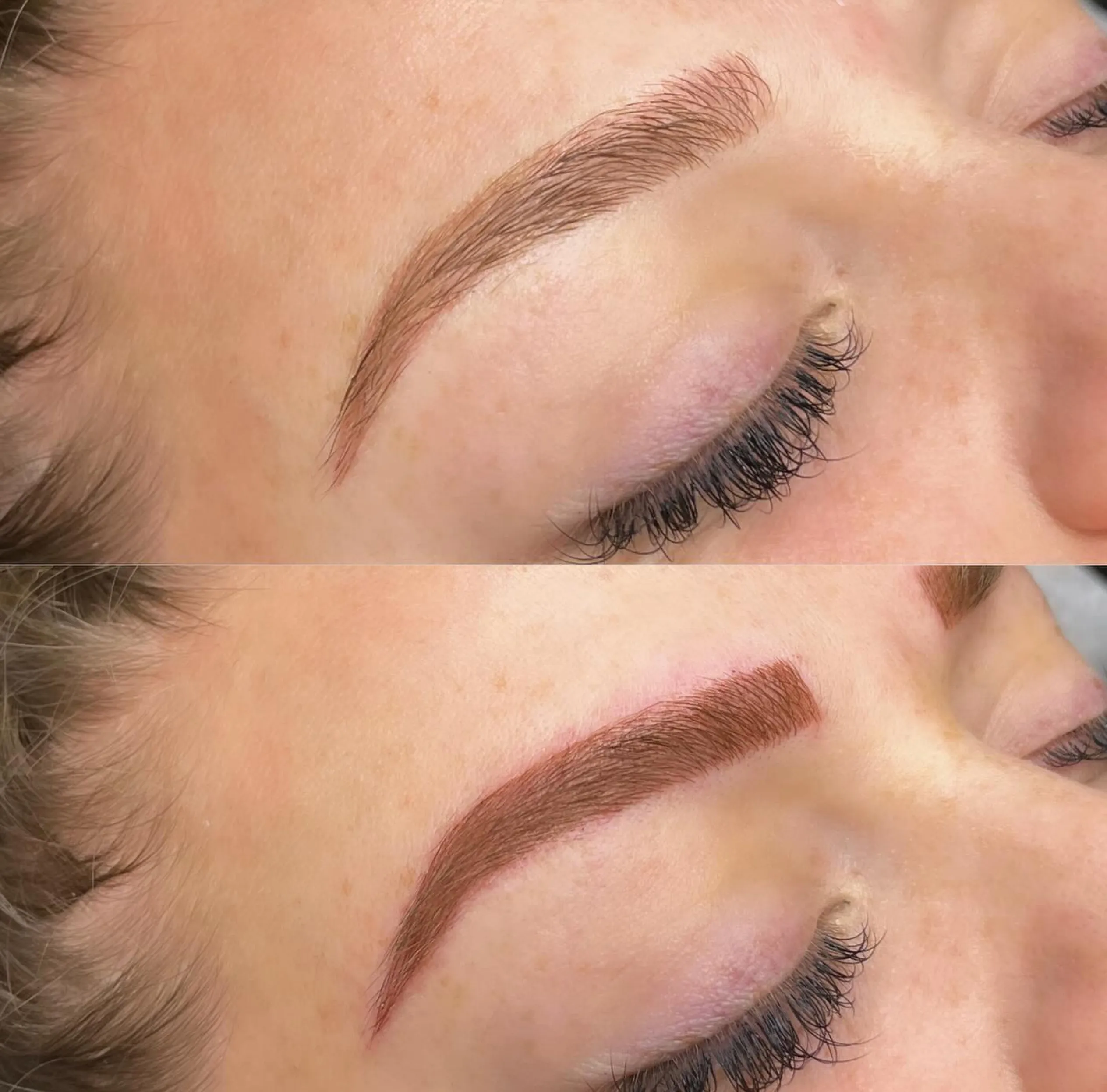
These examples show just how different skin types and lifestyles can affect the healing process – and just how lovely your brows can look after the next session.
Case Study: The Oily Skin Surprise
We had one client with combination skin who experienced much more colour loss on the side of her left brow, which was a bit oilier. We worked with her at Cosmetic Tattoo Studio Melbourne Face Figurati to strengthen the strokes and adjust our techniques to help the pigment hold better.
Case Study: The Skincare Enthusiast
One of our clients was a bit too diligent with her skincare routine – she’d been exfoliating near one of her brows & the result was fading on just that one side. Luckily, a quick fix at the top-up session sorted the problem out.
Case Study: The Old Brow Tattoo Correction
When people come to us after getting tattoo removal or having a bunch of sessions elsewhere, we often find that healing is all over the place. But we can usually get it balanced again with some brow mapping and colour correction.
Some of our clients who’ve been through laser hair removal course or an eyeliner tattoo course get really into the science behind healing – & before they know it, they’re aware of the tiny details that go into permanent makeup.
Steps You Can Take To Support Balanced Healing
A consistent skincare routine and sticking to a balanced aftercare plan really do make a huge difference in the long run.
Before Your Session
- Try to keep off the active skincare stuff
- Get your patch test done
- Stick to the basics with your skincare routine
After Your Session
- Make sure to put on the healing gel evenly
- Protect your brows from the sun
- Don’t even think about picking or rubbing at them – it’s going to make things worse.
- Try to avoid sweating, steam, or exfoliating.
- Let them just heal naturally for a bit – no coconut oil, makeup, or powders for now.
If you do these things, your brows will probably follow a pretty similar healing schedule.
Final Thoughts (And A Soft Melbourne Pep Talk)
It’s super normal for one brow to take a bit longer to heal, or lose a bit more colour, or get patchier – we’ve even had clients go through this process without any problems after years of doing microblading. Whatever your skin type – oily, dry or a combination of the two – your brows will just respond a little differently to the healing process.
At Cosmetic Tattoo Studio Melbourne Face Figurati, we’ll take care of getting your brows looking perfect in the final session. So if your brows are doing their thing at the moment – just relax – it’s all part of their own little healing journey.
FAQ
Is it normal for one brow to lose more colour?
Yeah – especially if you have oily skin or if the area where you got the tattoo is subject to a lot of movement.
Will the colour come back evenly after the healing process?
Most of the time, yes. But the resurfacing phase can sometimes surprise people in a good way.
Can I just cover up the patchiness with some makeup?
After about day 10, you can get back to using a light powder – but try to avoid creams on any skin that’s still healing.
Do machine shading and hair strokes heal differently?
Yes. Machine shading settles sooner, while hair strokes may appear faint before re-emerging.
Will the touch-up fix uneven healing?
That’s exactly what it’s designed for — we adjust pigment, stroke direction, and colour intensity.