
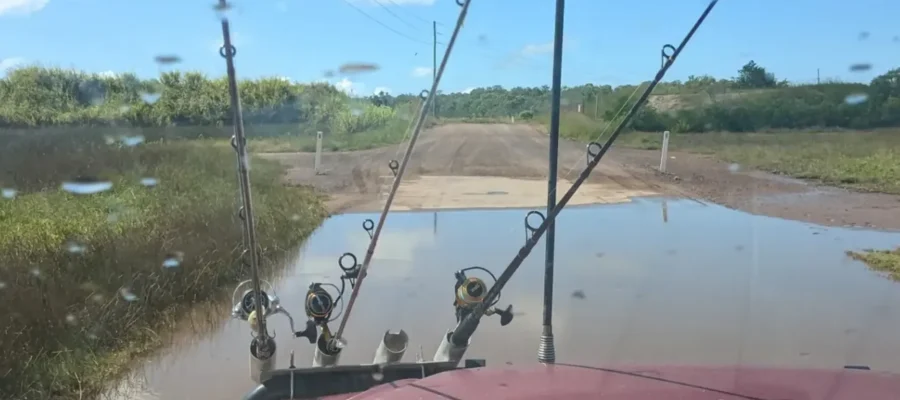
How to stay ‘Crocwise‘ while camping in Queensland? It’s not as hard as you might think, but only if you treat the environment with the respect it deserves and stick to a few simple dos and don’ts. I’m Paul, and after years of running trips through northern Australia, I’ve got a good idea of just how quickly things can go pear-shaped when travellers treat our wild places like their own backyard.
Whether you’re planning a proper wildlife holiday in Australia adventure or tagging along on a guided Wildlife Tour, the rules are always the same – you’re stepping into Croc Country, not the other way around. So let’s get you up to speed so you can enjoy it safely, without worrying about everything going wrong.
Contents
- 1 Know the Landscape Before You Even Start to Pitch
- 2 What Experience Teaches You
- 3 Set Up Camp With Control, Not Just Views
- 4 Water Awareness: One Rule You Can’t Ignore
- 5 Timing Makes All The Difference Up Here
- 6 Camp Like Nobody’s Watching – But Please Don’t
- 7 Nightfall – A Time For Caution
- 8 Pay Attention, The Bush is Telling You Something
- 9 It’s Not Just About Crocs
- 10 Plan Your Admin Properly Before You Hit The Track
- 11 Where People Go Wrong (And How To Do It Right)
- 12 So, How Do You Get It Right?
- 13 Travel Safe And Let The North Do Its Thing
- 14 Quick Wrap-Up
- 15 FAQ
- 15.1 Is it safe to camp near waterways up in northern Queensland?
- 15.2 Do warning signs always mean there are crocodiles around?
- 15.3 Are coastal spots safer than inland ones?
- 15.4 Do crocodile traps actually remove all danger from an area?
- 15.5 What’s the biggest mistake first-time adventurers make around here?
Know the Landscape Before You Even Start to Pitch
Queensland’s north may look like a beautiful place to set up camp, but it’s also prime territory for estuarine crocodiles – and those blokes don’t just stick to obvious spots. There’s croc habitat all along its rivers, creeks, floodplains and coastal zones – so be aware of what’s lurking just beneath the surface.
If you’re heading through areas like the Herbert River, Blanket Creek or around the Thorsborne Trail, then you’re already in croc country – whether you like it or not.
What Experience Teaches You
- Crocs are on the move all the time, especially when it’s wet
- They like to hide in shallow or murky water, so don’t get too close
- Beaches around river mouths aren’t necessarily safe either
The north of Australia has seen a huge surge in croc populations since they got some proper protection laws – which is a good thing for conservation, but something you need to think about with every decision.
Set Up Camp With Control, Not Just Views
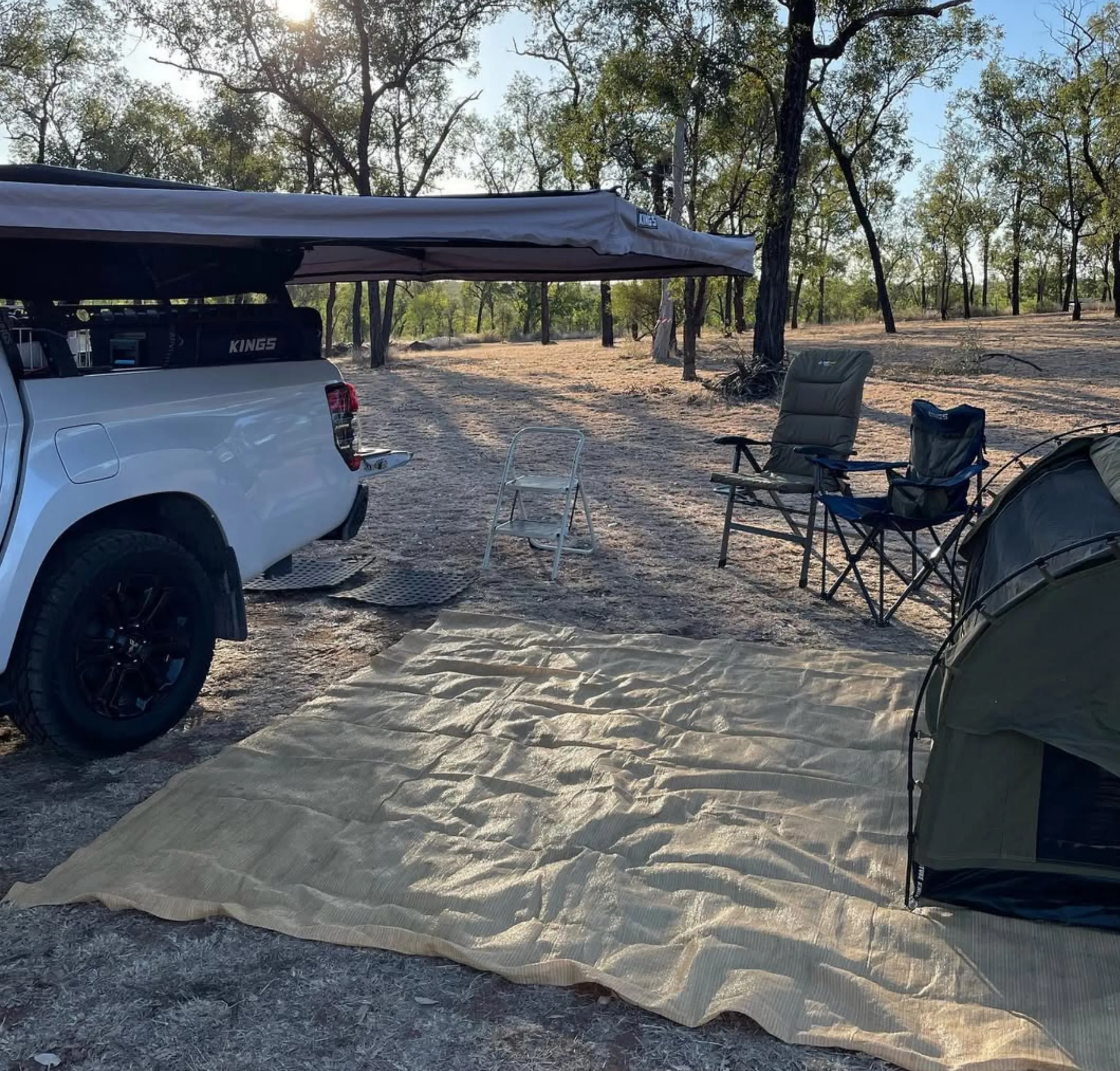
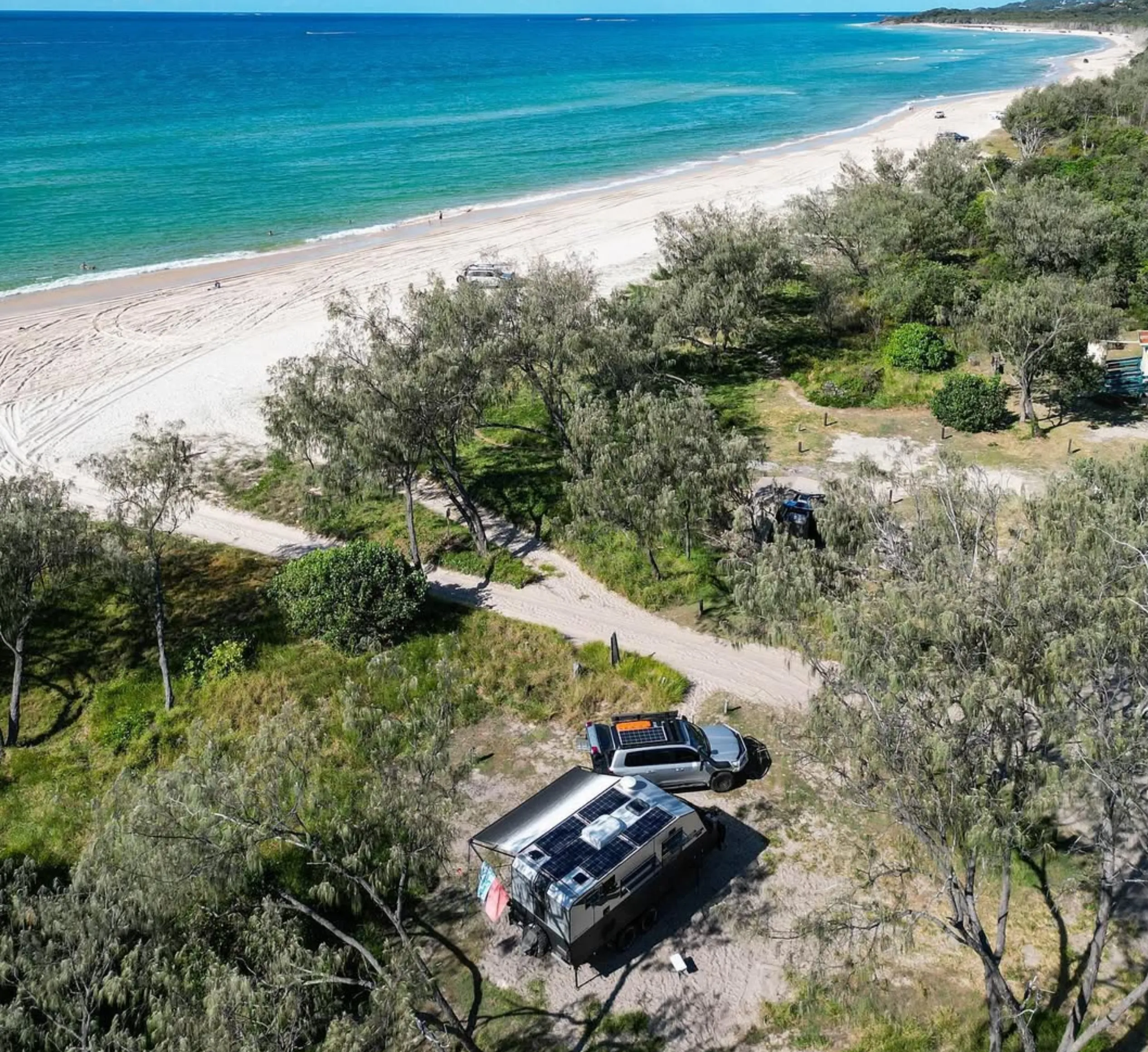
Sorry, but a cracking view is not a good enough reason to put up your tent right on the water’s edge. One of the biggest mistakes I see people making is thinking it looks pretty and so it’s okay – but let me tell you, it’s not smart.
Camp Like a Pro
- Clear a decent space between yourself and the water – at least 50 metres
- Avoid camping on low banks, muddy edges and animal tracks – they’re all telltale signs of crocs
- Stick to designated areas with proper fire rings – they’ve been set up for a reason
- Always check if you need a permit to camp there, or if it’s even allowed
When I take people to places like Blencoe Falls, I always choose higher ground – even if it means giving up on that picture postcard view. Trust me, peace of mind is worth a lot more than a pretty photo.
Water Awareness: One Rule You Can’t Ignore
The harsh reality is – if you’re ever in doubt about a waterway, it’s best to stay out of it. Most serious incidents happen when people think a place is safe because it looks harmless. And that’s exactly the kind of miscalculation that has a croc’s attention.
When People Get Caught Out
- After a long, hot day when you just want to cool off
- When you’re washing your gear right on the edge
- When kids or dogs get too close to the water’s edge
- When you’re standing still in a shallow spot
Even places that aren’t right on the coast, like Wallaman Falls, still connect to the bigger water system. Always check what’s going on locally before taking the plunge.
For a lot of people planning a wildlife holiday to Australia, one of the hardest things to get their head around is that you’re not just going to go look at animals, you’re actually going to be adapting to a completely new environment.
Timing Makes All The Difference Up Here
Queensland’s seasons are pretty dramatic. The rain changes everything – how easy it is to get around, how much you can see, and how crocs behave.
When it’s raining heavily, the waterways get bigger, and rivers connect to new areas, which means that – even if a croc is usually pretty static in its territory – it can now move a lot further out.
Seasonal Breakdown
| Season | Conditions | Croc Behaviour | Camping Impact |
|---|---|---|---|
| Wet Season | Flooded tracks, high humidity | Increased movement inland | Higher risk |
| Dry Season | Clear skies, stable access | Concentrated near water | Manageable |
Lots of parks shut down during the wet season – not because the bureaucrats love telling you what to do, but because they genuinely care about your safety.
Camp Like Nobody’s Watching – But Please Don’t
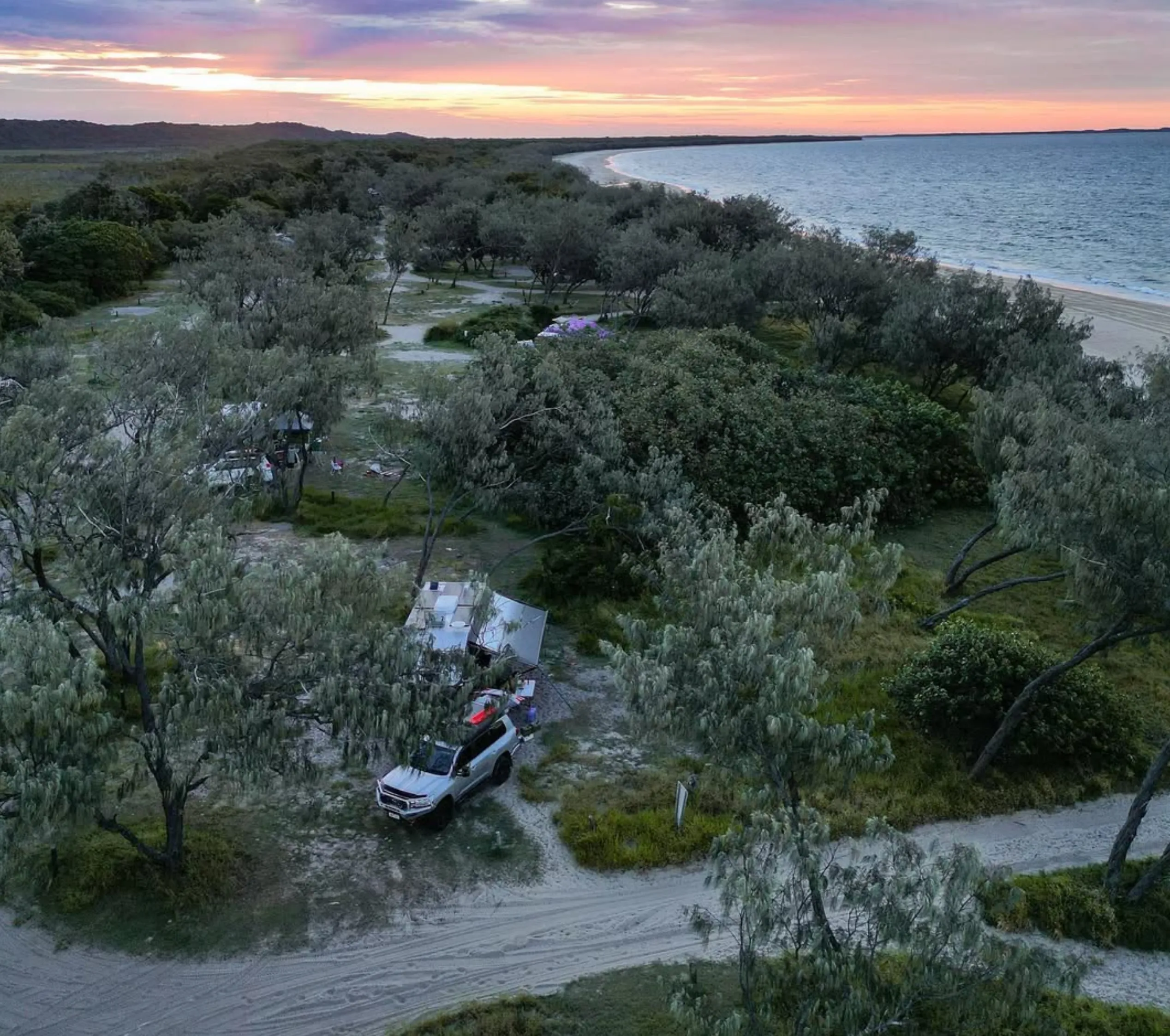
Crocodiles aren’t interested in being curious; they’re all about looking for an easy meal. If your campsite smells like food, fish or last night’s takeaway – you’re basically putting up a neon sign saying ‘come and get it‘.
Camp Like a Pro
- Use proper rubbish bags and make sure you pack everything out – don’t just leave a mess for others
- Never, ever just dump your scraps near the water
- Keep your food stashed away from where you sleep – you don’t want some furry critter sneaking in for a midnight snack
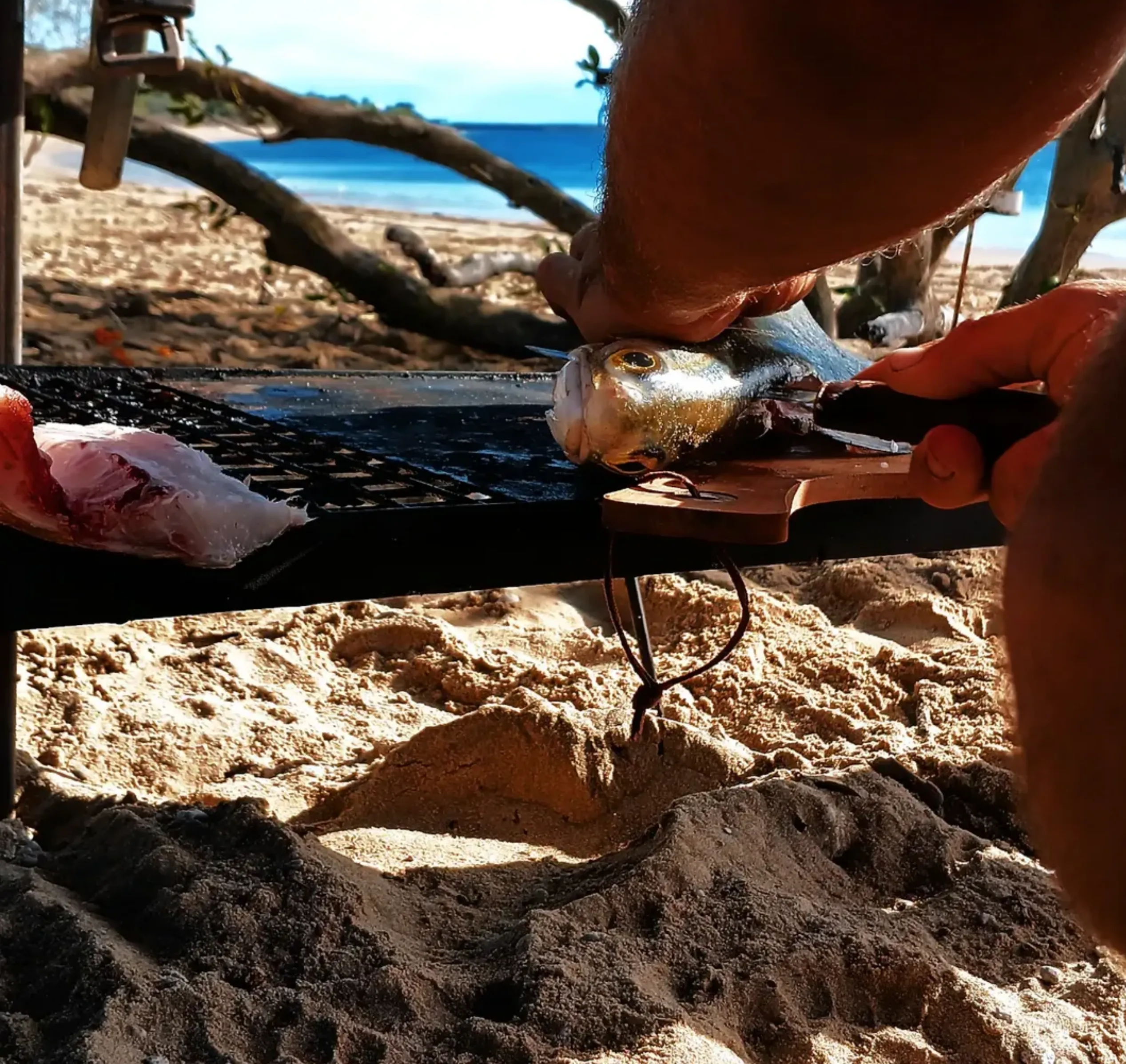
- And for goodness sake, clean your fish – not just anywhere near your campsite, but somewhere well away from the rest of your gear
On those guided wildlife tours, this is hammered home from day one. It’s not about being tidy, it’s about not becoming a crocodile’s next meal.
Nightfall – A Time For Caution
As the sun dips below the horizon, your margin for error shrinks fast. Crocs are on the move, visibility goes down, and people tend to let their guard down – not a good combination.
Evenings that Won’t Get You Eaten
- Give the water edges a wide berth after dark
- Use a decent headlamp, not just some tiny little torch
- Keep your campsite tidy and organised – it’s not about winning an award, it’s about not inviting trouble
- And for the love of all things sane, don’t wander off on your own at night
I’ve lost count of how many camps go from being well organised to absolute chaos after a few too many drinks. And you know what they do afterwards? Someone decides to ‘just check something by the water‘. Don’t do that.
Pay Attention, The Bush is Telling You Something
Official signs warning you to be croc-wise are helpful, but they’re just the tip of the iceberg. If you take the time to listen, the bush will give you plenty of clues.
Natural Hazards To Watch Out For
- Look out for slide marks along muddy banks
- If you see tracks leading into the water, get out of there
- Sudden silence in the bird life? That’s not a good sign
- And if marine wildlife seems to be behaving strangely – that’s another warning sign
You’ll also notice other things – like flying foxes leaving at dusk or the way the environment seems to be shifting. It’s all part of the bigger picture.
It’s Not Just About Crocs
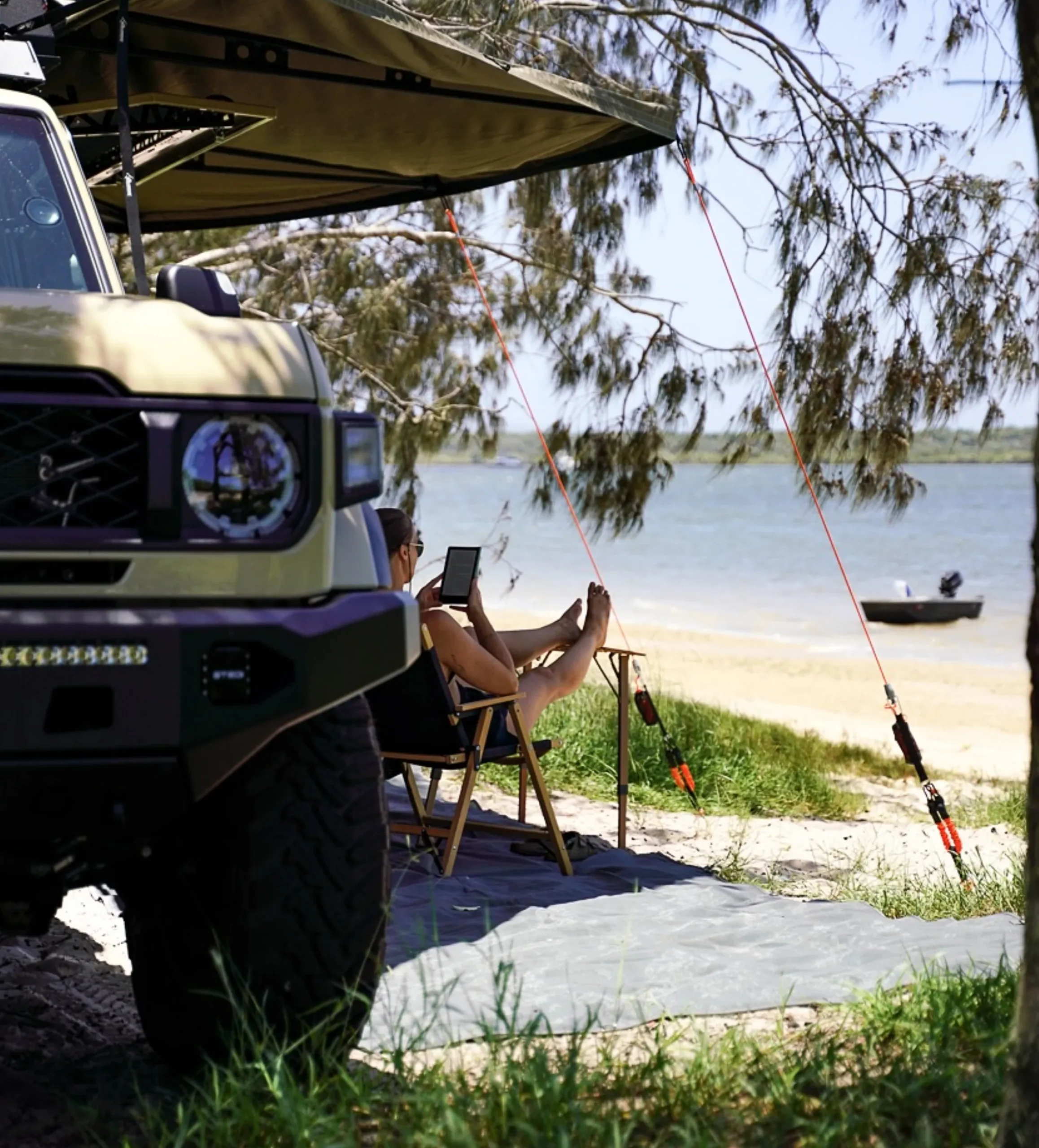
Crocodile safety is all well and good, but it’s just a part of being aware of the outdoors. Queensland’s north throws up a whole host of other challenges that’ll catch you out if you’re not on the ball.
Stuff That’ll Get You In Trouble
- Don’t mess with wild cattle on remote tracks – they’re unpredictable and heavy
- Stinging trees are not something to be trifled with – just don’t go brushing against them
- And then there’s the way the water patterns are changing due to climate change – that’s something to be getting your head around
If you’re planning to tackle routes like the Thorsborne Trail or hit remote areas for a camp, preparation really does need to trump enthusiasm.
Plan Your Admin Properly Before You Hit The Track
A trip goes a lot smoother if you’ve got your ducks in a row before you even leave the shed. Permits, bookings, that sort of thing, aren’t just a nice-to-have – they’re essentials.
Get These Sorted Out Early Doors
- Get your camping booking locked in
- Make sure you’ve got your camping permit where it needs to be
- Check if any of the places you want to go are closed or if there are any warnings
- Get your maps sorted on your phone so you don’t have to rely on getting a signal – and don’t think you’ll pick one up just because you’ve driven a few miles down the road, it won’t last long
You don’t need full-on desert maps in most of Queensland, but you will need something to get you by when you’re not driving down the highway.
Where People Go Wrong (And How To Do It Right)
Most of the problems we see are the same ones that get thrown up time and time again – and most of the time they’re easy to avoid.
Common Mistakes People Make
- Camping too close to the water
- Ignoring warnings (or just thinking it’ll be fine) and not taking any precautions
- Treat rivers like swimming pools – they’re not a place to go for a splash about
- Leave food and rubbish lying around – don’t be a slob
- Get too complacent after a few days on the road and start taking things for granted
So, How Do You Get It Right?
Stay the course and don’t cut corners. Keep to your routine, don’t let things slide, and you’ll be fine.
That’s what separates a trip that goes smoothly from one that’s just a story you won’t want to tell your mates.
Travel Safe And Let The North Do Its Thing
Camping across northern Queensland, whether you’re near the Herbert River, on the move with some of the amazing inland waterfalls at Blencoe Falls, or down at the coast camping on the beach – that’s one of the best ways to get a real feel for Australia.
But remember that it’s still a wild place. Stay on your toes, stay in routine and respect where you are. That’s how you stay safe, and that’s how you’ll actually enjoy the experience – whether you’re on your own or joining up with a tour.
If you want some real advice on how to make that trip happen, then that’s what we do at Get Lost Travel. We build real trips based on real experience.
Quick Wrap-Up
Staying one step ahead of the crocs is all about having your wits about you, not freaking out. Keep a healthy distance from waterways, stay on your toes at camp, and be smart about the conditions – that way, you can have a top-notch adventure in Queensland’s north without any nasty surprises showing up.
FAQ
Is it safe to camp near waterways up in northern Queensland?
The short answer is yes – but only if you’re camping back from the water and keeping a sharp eye out for any environmental signs that might be telling you to watch out.
Do warning signs always mean there are crocodiles around?
No, but they do mean there’s a possibility – or a known presence – of crocs in the area, so take them very seriously.
Are coastal spots safer than inland ones?
Not necessarily. Places near river mouths and estuaries are actually a pretty high-risk area.
Do crocodile traps actually remove all danger from an area?
No way – any individual crocs that get caught are just the tip of the iceberg, removing them doesn’t eliminate the possibility of others being out there.
What’s the biggest mistake first-time adventurers make around here?
Getting too relaxed – especially when it comes to water and darkness creeping in.