
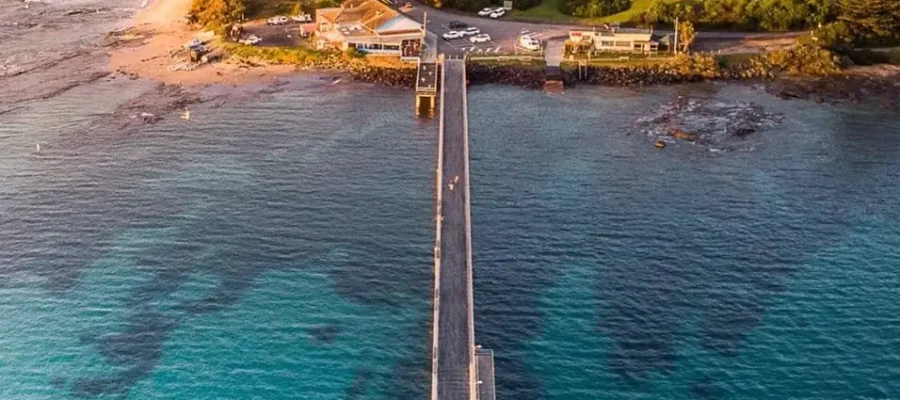
Where are the best rest stops and petrol stations along the Great Ocean Road? Right — here’s the honest answer upfront: fuel up early and often, and plan your stops around major coastal towns like Torquay, Anglesea, Lorne, Apollo Bay, Port Campbell, Warrnambool, and Port Fairy. Those are your reliable petrol anchors along this iconic road trip. hugging the Southern Ocean.
I’ve driven this stretch more times than I can count, from the Geelong Ring Road out toward the Shipwreck Coast, and the biggest mistake I see? People assume there’s a servo every 20–30 kilometres. There isn’t. This is a winding coastal drive through Great Otway National Park and Port Campbell National Park, not a suburban run to the shops.
If you’re joining one of the organised Great Ocean Road tours from Melbourne with Autopia Tours, they’ve already mapped fuel and rest stops — but if you’re self-driving, this guide will save you from guessing.
Contents
- 1 Where To Reliably Refuel Without Stress
- 2 Where To Pause And Reset Along The Coast
- 3 Fuel Range Reality On A Coastal Drive
- 4 Structuring Your Stops Around Your Timeframe
- 5 Costs, Timing, And What To Expect
- 6 Safety, Road Conditions, And What Catches People Out
- 7 Local Tips I Wish More Travellers Knew
- 8 Final Takeaway: Plan Smart, Drive Easy
- 9 FAQ
Where To Reliably Refuel Without Stress
You don’t need to overthink it — but you do need a plan. Fuel stops are predictable if you stick to the main towns along the Great Ocean Road, especially once you pass Aireys Inlet and push deeper into the coast.
Key Petrol Stations Along The Route
| Location | Distance From Melbourne CBD | Fuel Reliability | Notes |
|---|---|---|---|
| Torquay | ~100 km | Excellent | Near Australian National Surfing Museum and Rip Curl HQ |
| Anglesea | ~115 km | Excellent | Good stop after Point Impossible Beach |
| Lorne | ~140 km | Good | Near Erskine Falls and Teddy’s Lookout |
| Apollo Bay | ~190 km | Excellent | Key stop before Cape Otway |
| Princetown | ~230 km | Limited | Near 12 Apostles and Gibson Steps |
| Warrnambool | ~265 km | Excellent | Close to Tower Hill Reserve |
| Port Fairy | ~290 km | Excellent | Final major stop before heading inland |
What Most Travellers Get Wrong
- They skip Apollo Bay, even though it’s the last major fuel point before the Twelve Apostles.
- They rely on smaller stops near Port Campbell, which may close early.
- They underestimate fuel usage on a winding coastal route.
If you’re on a Great Ocean Road tour, this is handled for you — but on a DIY Great Ocean Road trip, this is where planning matters.
Where To Pause And Reset Along The Coast
You’ll find plenty of places to stop — but only a handful actually deliver a proper break with facilities, views, and space to reset.
Coastal Stops With Proper Facilities
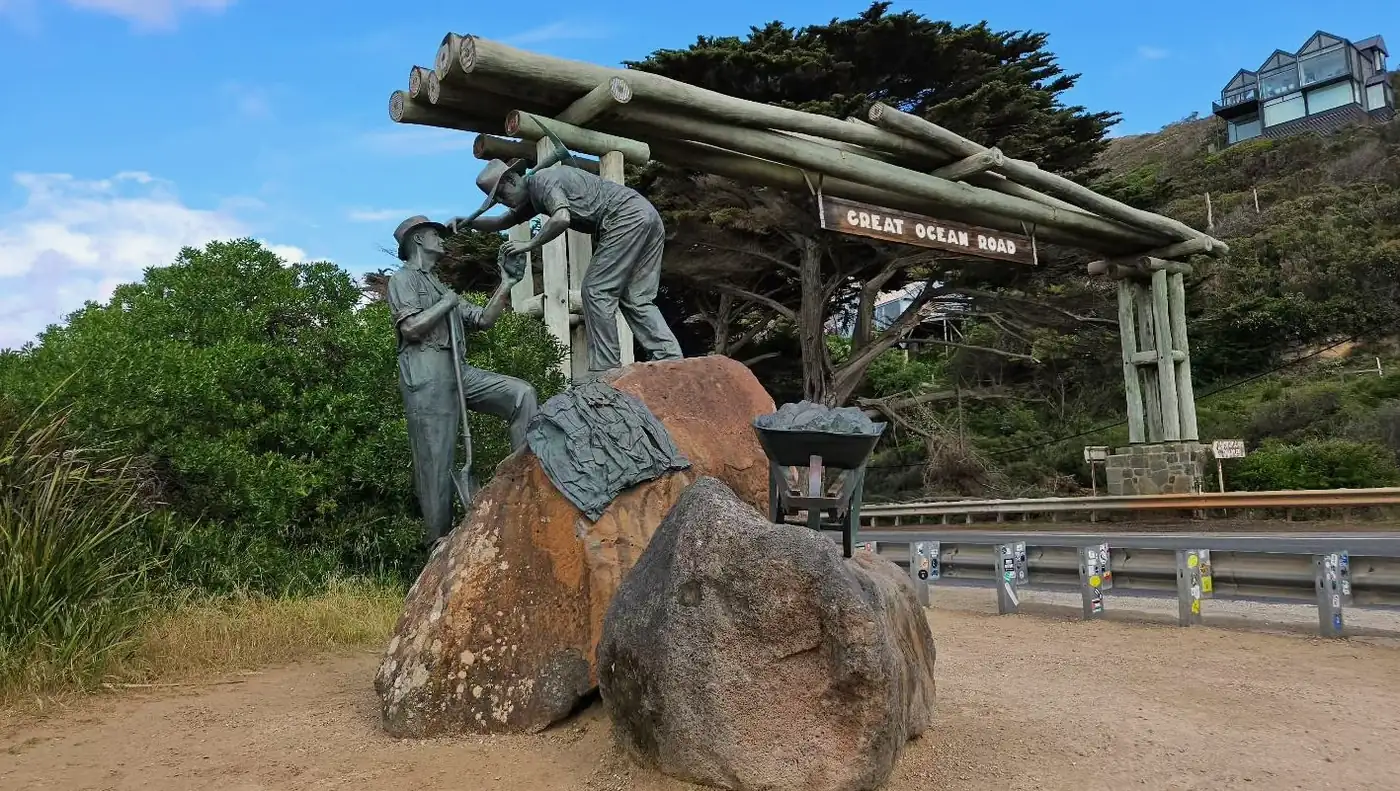
Great Ocean Road Memorial Arch
A classic first stop after joining the coast. Easy parking and a great place to start your Great Ocean Road day trip.
Teddy’s Lookout (Lorne)
One of the best elevated coastal views on the drive.
Apollo Bay Foreshore & Caravan Park
This is your proper recharge zone — fuel, food, toilets, and beach access. Essential on any Great Ocean Road trip.
Loch Ard Gorge & Surrounds
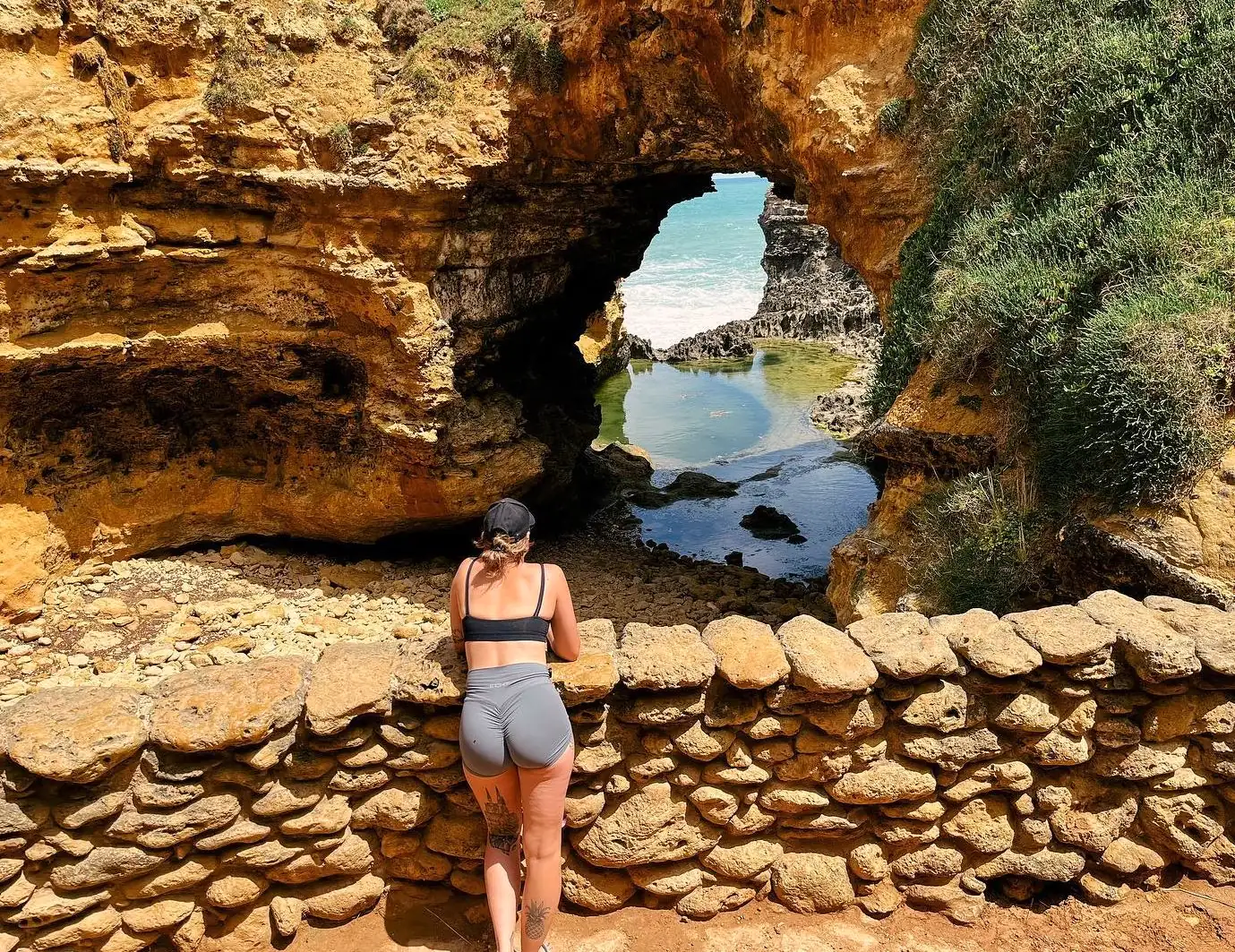
Clean facilities and access to highlights like The Grotto, London Arch, and Thunder Cave along the Shipwreck Coast.
Quick Pullovers That Save Your Sanity
- Gibson Steps — A proper leg stretch with beach access
- Kennett River / Kennett River Koala Walk — Good wildlife spotting stop
- Bay of Islands Coastal Park — Quiet alternative to the Apostles
- Secret Apostles Lookout — Less crowded viewpoint
Even on guided Great Ocean Road tours, these stops break up the drive nicely.
Fuel Range Reality On A Coastal Drive
Here’s the practical breakdown based on real conditions:
- Fuel consumption increases by 10–25%
- Distances between reliable stations can reach 70–100 km
- Reception drops out in multiple sections
If your car uses 8 L/100 km, expect closer to 9–10 L/100 km here.
My Rule Of Thumb
- Never drop below half a tank after Lorne
- Always refuel in Apollo Bay
- Top up again near Warrnambool or Port Fairy
This is exactly why many travellers opt for a Great Ocean Road tour — less thinking, more enjoying.
Structuring Your Stops Around Your Timeframe
Not everyone drives the full route the same way. Your fuel and rest strategy changes depending on how many days you’ve got.
Fast-Paced Single Day
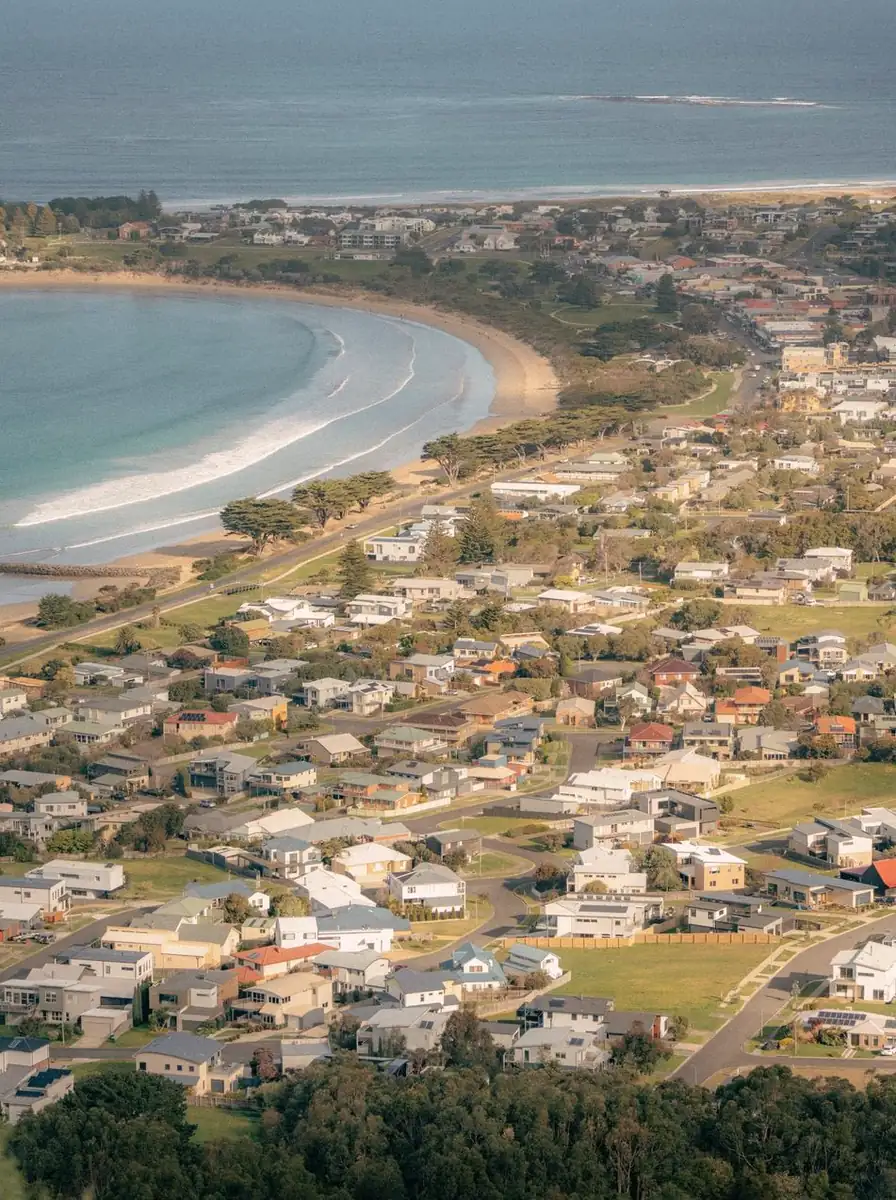
A Great Ocean Road day trip is achievable, but it’s a long haul.
You’ll typically cover:
- Memorial Arch
- Lorne
- Apollo Bay (brief stop)
- Twelve Apostles
- Loch Ard Gorge
Fuel planning is simple — fill early and don’t rely on smaller towns. This is why many travellers choose Great Ocean Road tours from Melbourne instead of driving.
Two-Day Journey
This is where the drive becomes enjoyable rather than rushed.
A common structure:
- Day 1: Melbourne → Apollo Bay
- Day 2: Apollo Bay → Port Fairy
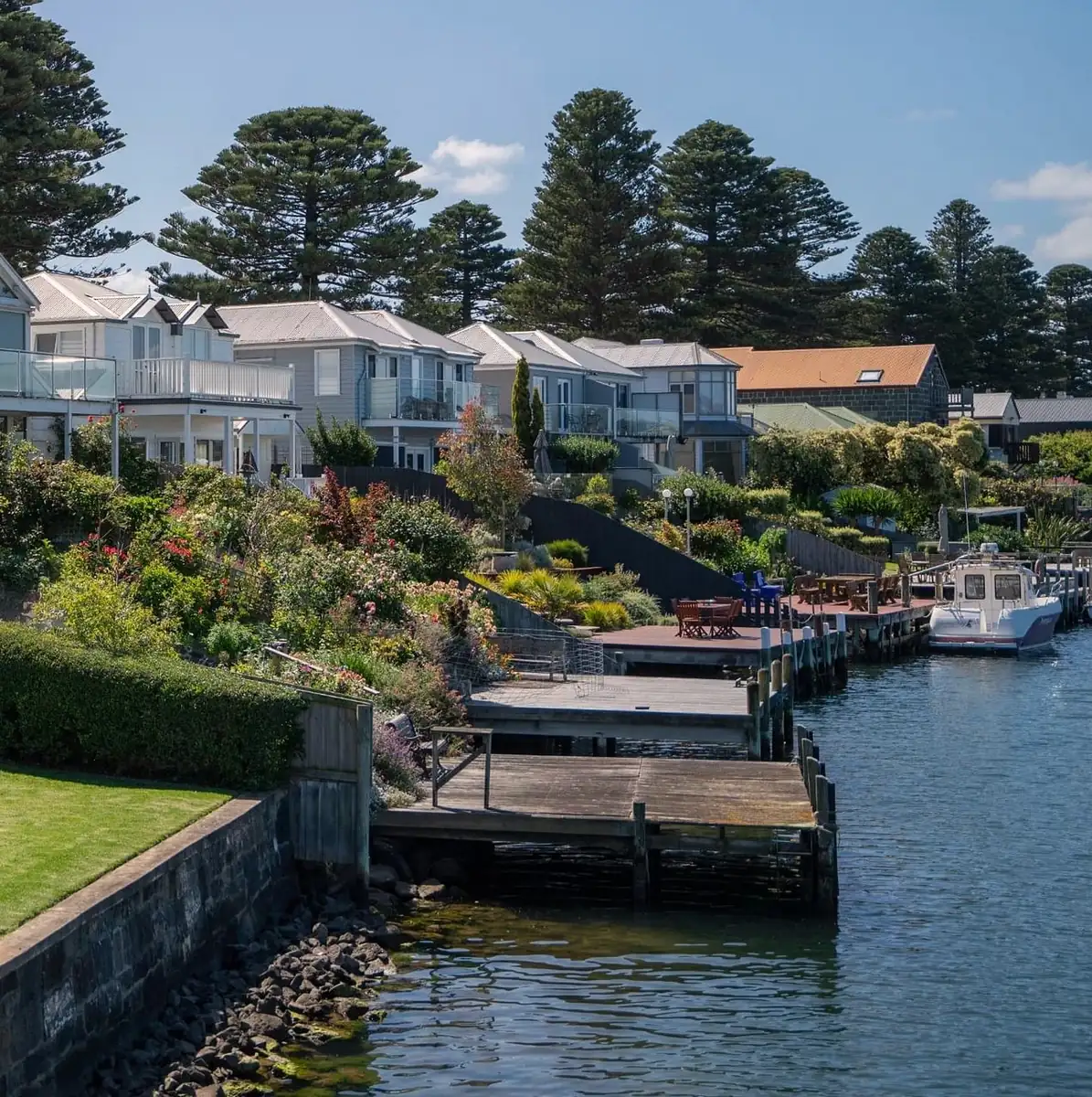
You’ll pass through Port Campbell, explore the Shipwreck Coast, and manage fuel naturally by stopping in the main towns.
Three-Day Experience
This is the ideal pace.
You’ll have time to include:
- Cape Otway Lighthouse / Cape Otway Light Station
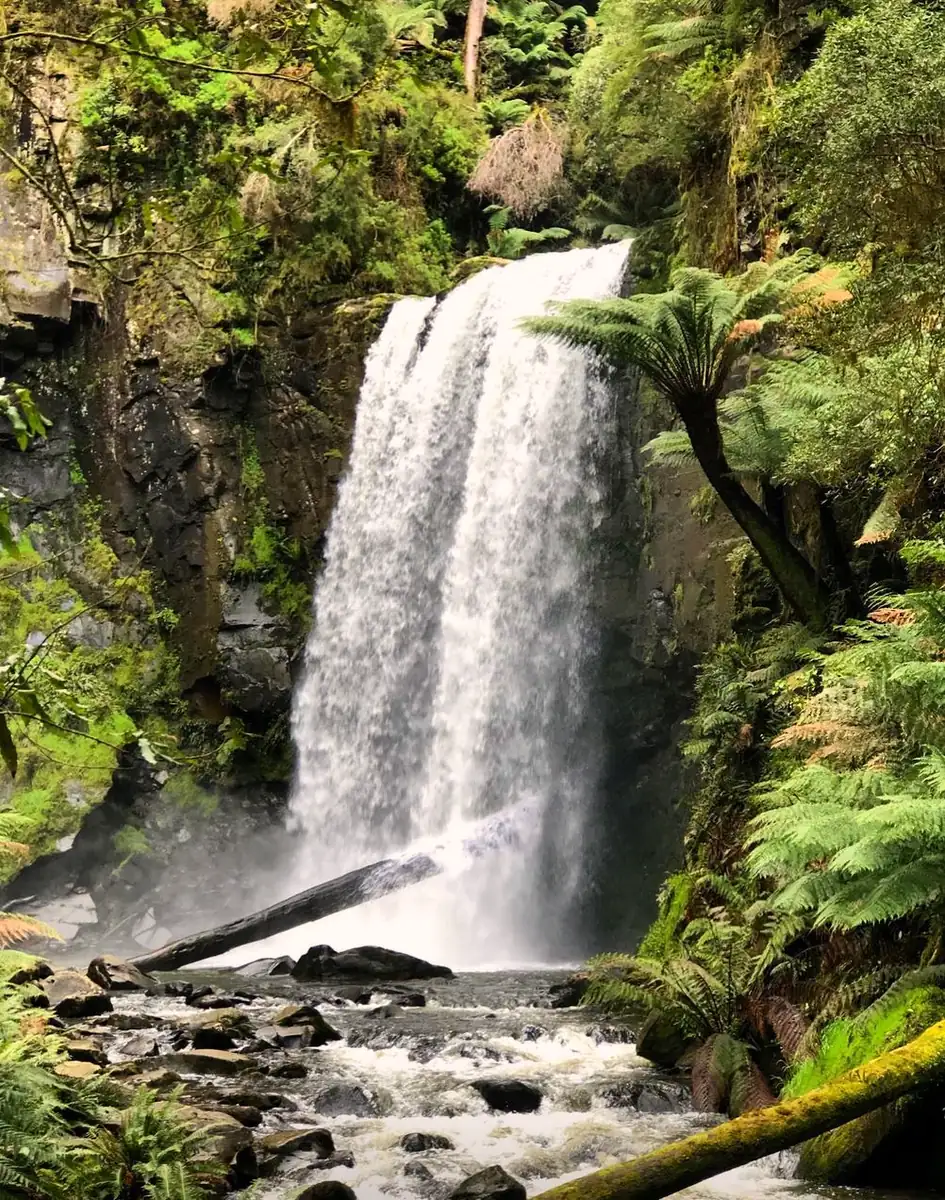
- Inland detours like Hopetoun Falls or the Californian Redwood forest
- Food stops such as Timboon Ice Creamery or Schulz Cheesery
At this pace, both self-drive travellers and those on Great Ocean Road tours get the best out of the route.
Costs, Timing, And What To Expect
(Estimates as of 2026 — subject to change)
- Fuel: $1.90–$2.30 AUD per litre
- Coffee: $5–$7
- Meals: $15–$30
Fuel is generally cheaper near Melbourne and increases along the coast.
Typical travel times:
- Melbourne CBD → Apollo Bay: ~4.5 hours
- Apollo Bay → Twelve Apostles: ~1.5 hours
- Full route: ~8–10 hours driving
Add stops and short walks, and your day stretches quickly.
Safety, Road Conditions, And What Catches People Out
The road is sealed and accessible, but it’s not forgiving if you lose focus.
What catches people out:
- Tight bends and changing conditions
- Fatigue from constant steering
- Wildlife at dawn and dusk
- Skipping breaks to “save time”
A few basics go a long way:
- Start with a full tank
- Avoid night driving past Apollo Bay
- Carry water
- Stop regularly
Local Tips I Wish More Travellers Knew
A few things that don’t make the brochures:
- Petrol stations don’t all stay open late
- Not every stop has facilities
- The Apostles area gets crowded quickly
- Coastal winds can be stronger than expected
And one worth remembering — don’t blindly follow GPS. It can send you inland via places like the Gellibrand River on routes that aren’t worth the detour.
Final Takeaway: Plan Smart, Drive Easy
The Great Ocean Road rewards travellers who plan just enough. Stick to major fuel stops like Apollo Bay, Port Campbell, and Port Fairy, take breaks at places like Loch Ard Gorge and Teddy’s Lookout, and don’t rush the experience.
Whether you’re tackling it solo or joining Autopia Tours on one of their Great Ocean Road tours from Melbourne, the key is simple: fuel early, stop often, and enjoy the ride.
FAQ
Is it necessary to start with a full tank?
Yes. Filling up before leaving Melbourne gives you flexibility and reduces early-on stress.
Can you refuel close to the main coastal landmarks?
Not directly. The closest reliable fuel is in Apollo Bay or Warrnambool.
Do fuel stations operate late into the evening?
In larger towns, sometimes. In smaller areas, many close early, especially outside peak season.
How often should you take a driving break?
Every 1.5 to 2 hours is effective for staying alert and avoiding fatigue.
They help, but don’t rely on them completely — reception can drop out.